Topics
home storage sourcing hubs grouped by product family, sample proof and packing route.
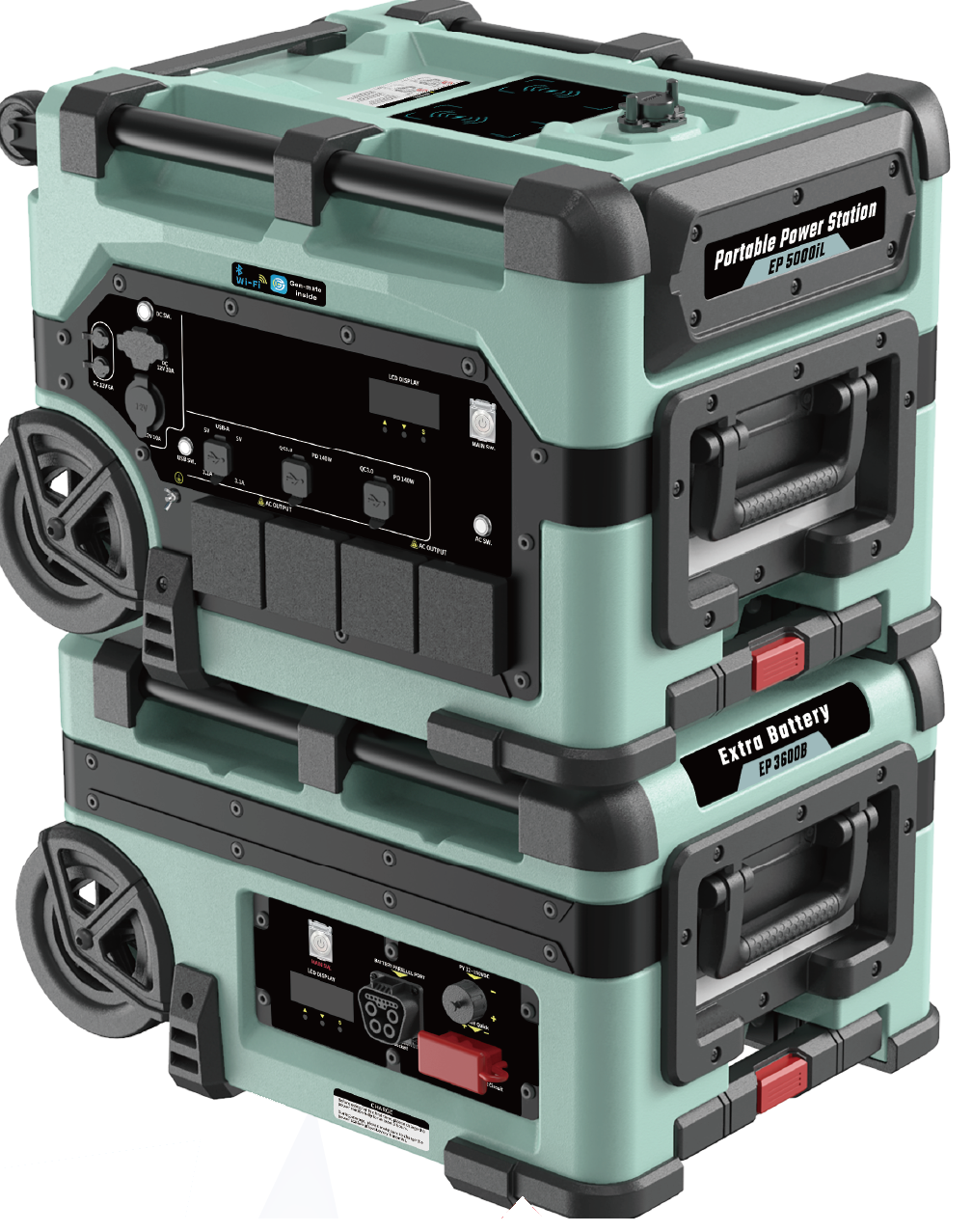
Whole House Battery Backup: Sizing Loads, Expansion Steps and the RFQ Questions to Ask a Supplier
A buying guide for distributors and project purchasers on sizing a whole house battery backup from a load budget, translating that budget into kWh capacity and continuous versus peak power, selecting an expansion tier, and asking suppliers the RFQ questions that actually change a quotation.
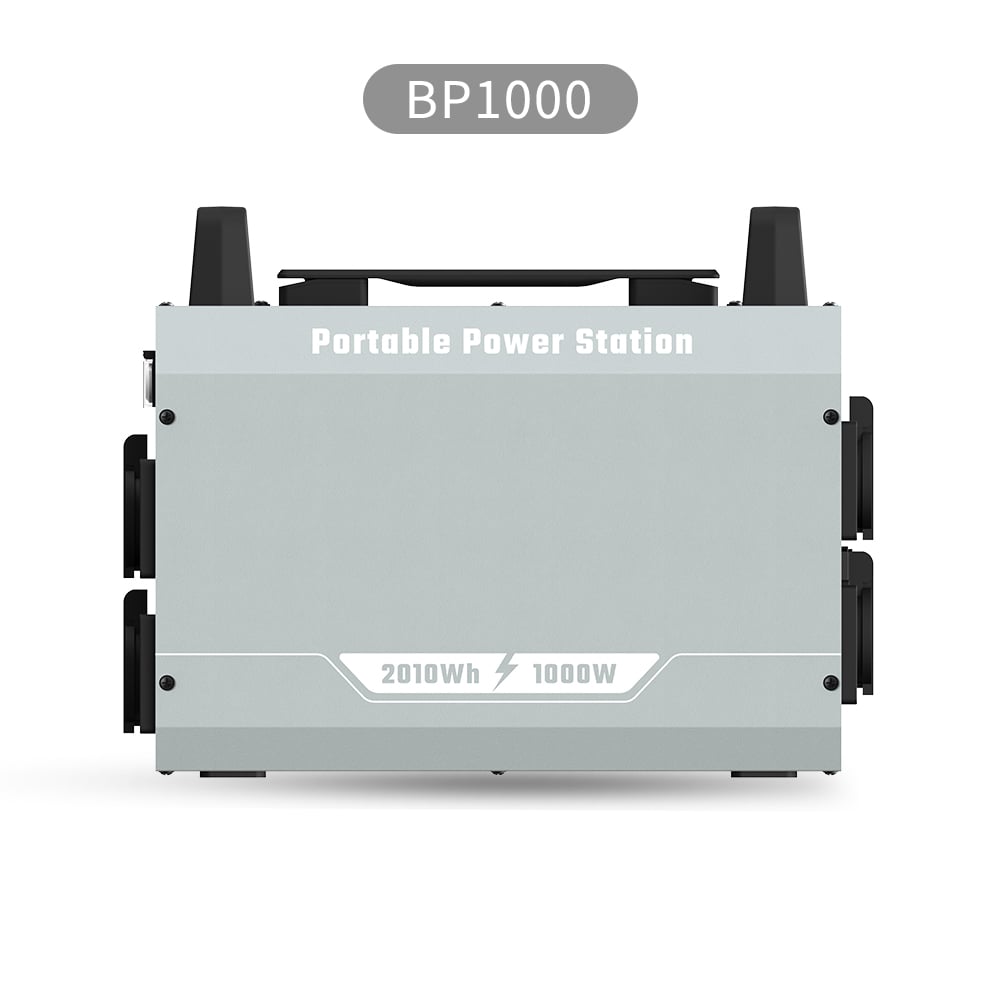
Portable Power Station 1000W: Output, Capacity and Charging Checks Before You Place a Bulk Order
A buyer-side verification checklist for shortlisting a 1000W portable power station for resale or projects, covering rated versus peak output, real battery capacity, charging parameters, and the factory questions worth settling before a bulk order is signed.
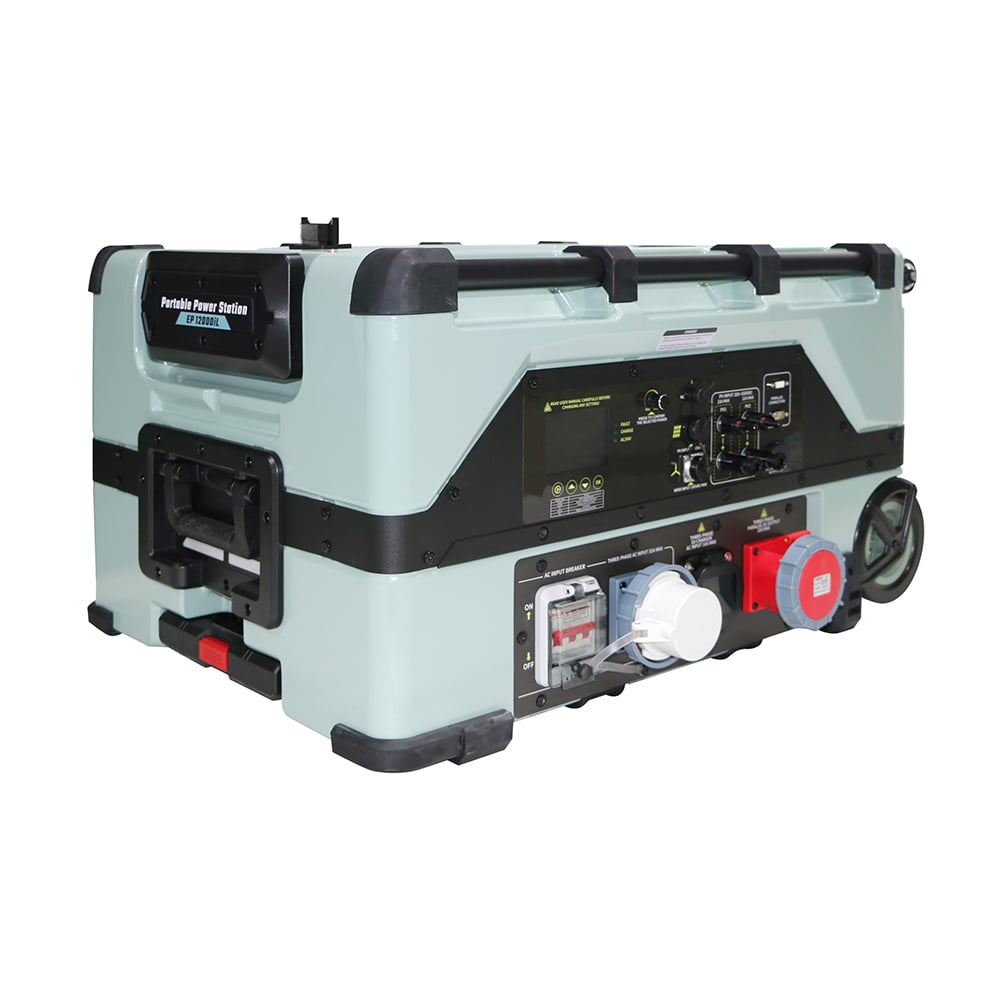
50 Amp RV Outlet: What a Solar Generator Must Deliver
A 50 amp RV outlet is a 120/240V split-phase service, not a larger 120V socket. This article sets out the three hardware conditions a portable solar power station must meet — split-phase output, continuous capacity against the roughly 12 kVA a 50A service can deliver, and surge headroom for motor loads — then maps two DRIVELONG platforms against them and closes with the questions to put in an RFQ.
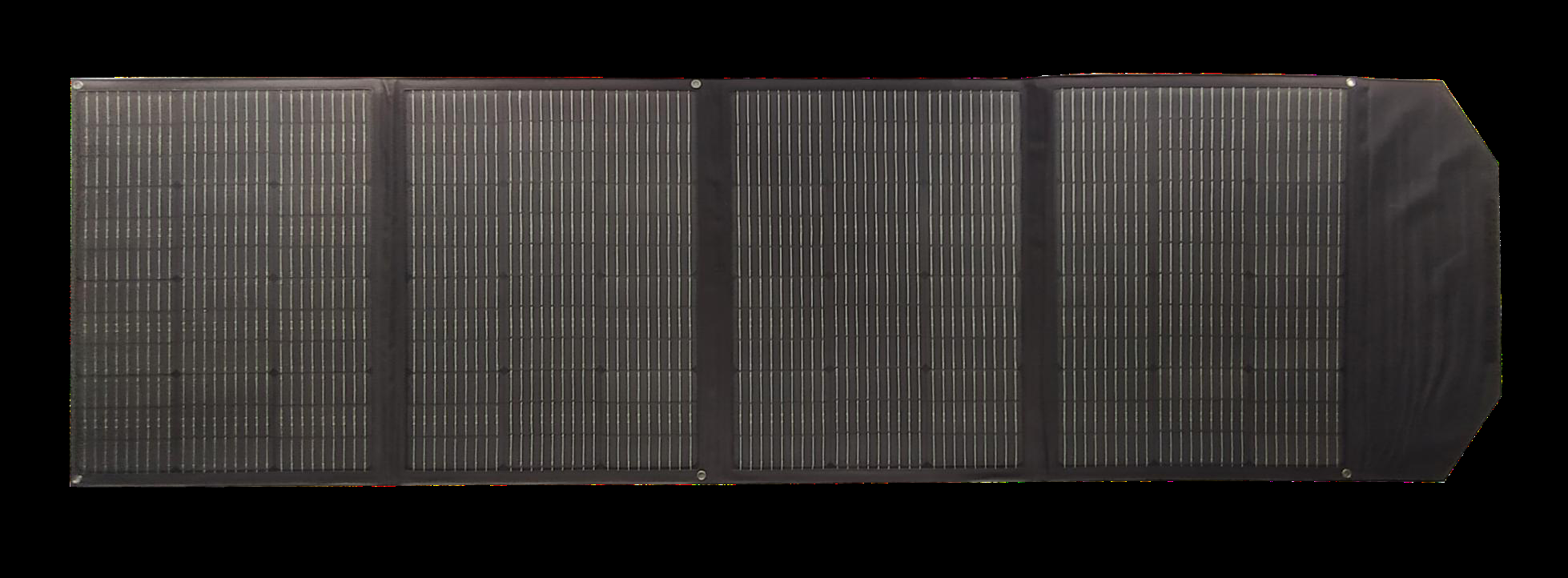
Foldable Solar Panel 200W: Wholesale Specs to Confirm Before You Order
A pre-RFQ specification checklist for wholesale buyers comparing 200W foldable solar panels: folded versus open formats, the 200W and 300W output tiers, connector configuration, and portable power station pairing, including what still has to be confirmed with the factory.
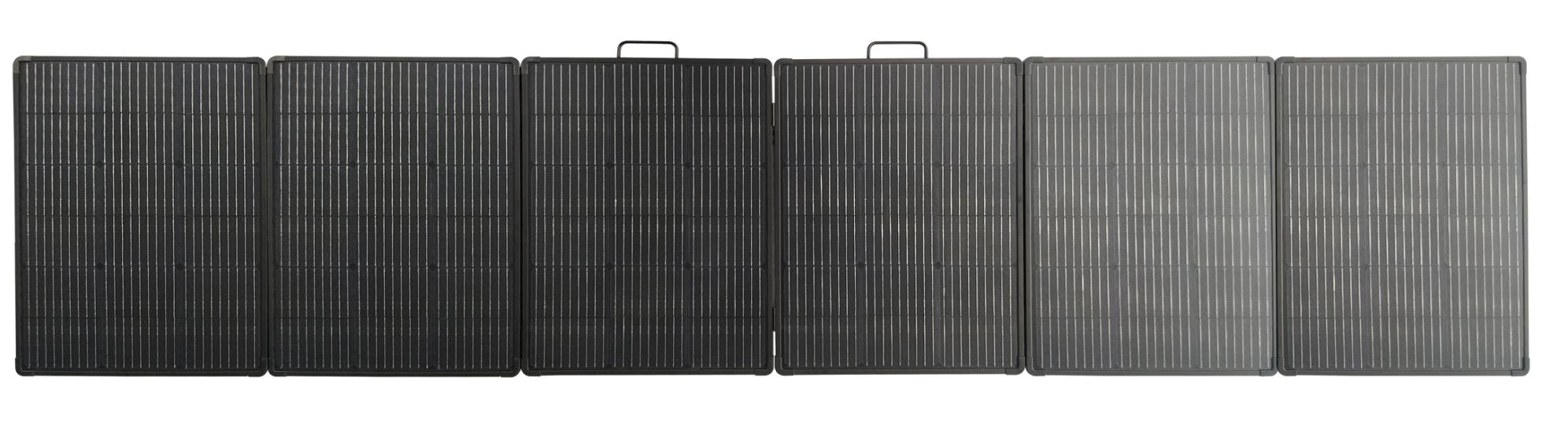
Building an RV Solar Panel Kit with Battery and Inverter
This article compares two configurations for an RV solar panel kit with battery and inverter: a separated component build (Route A) and an integrated power station plus external panels (Route B). It then provides a concrete RFQ parameter checklist for OEM/ODM buyers and distributors.
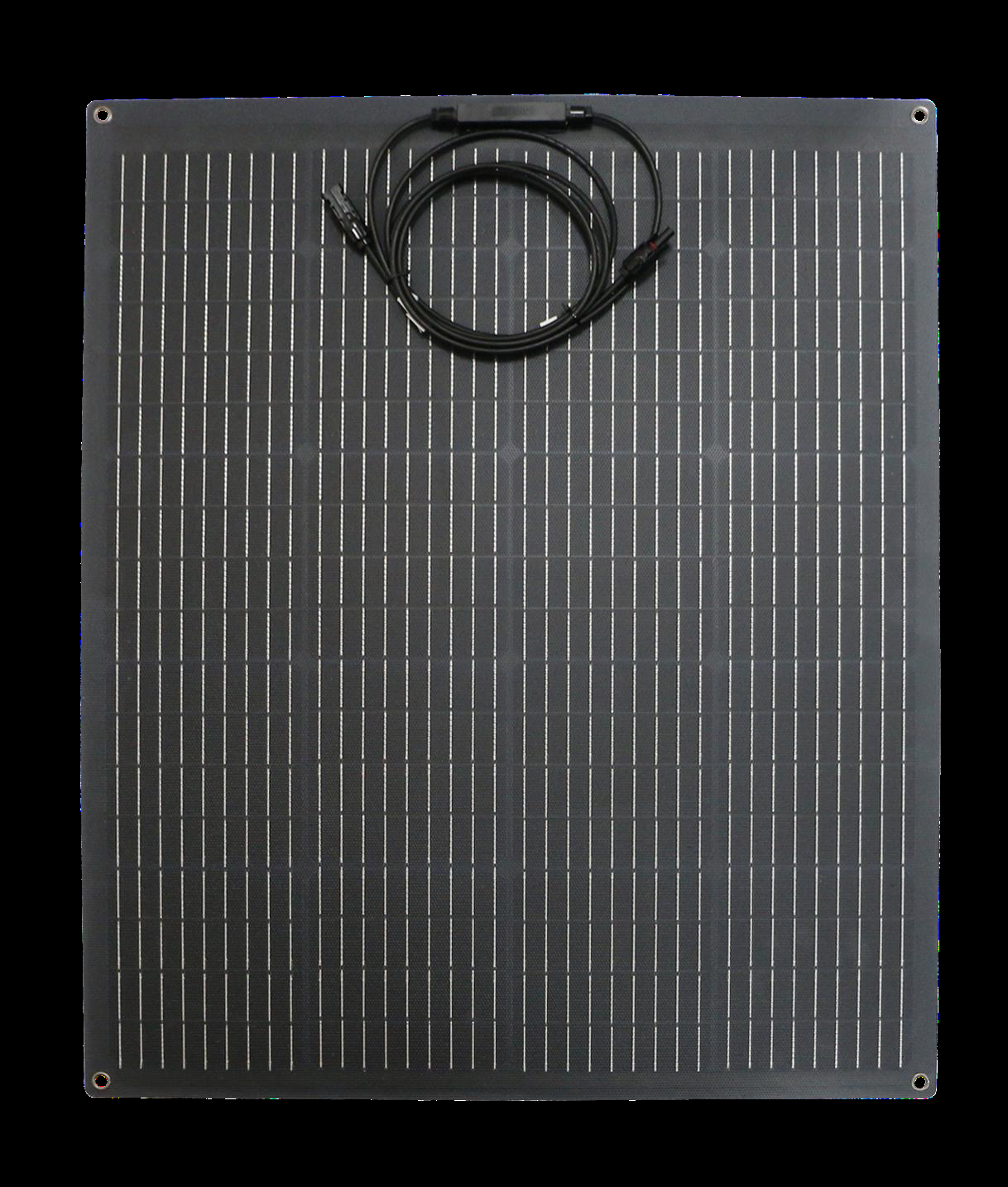
Portable Solar Panels for RV: Panel and Power Pairing
A procurement-focused pairing guide for RV dealers, fleet outfitters and distributors: which panel type (fixed, flexible or foldable) fits which RV mounting surface, how wattage steps map to daily loads, and how to read a power station's real MPPT input window before committing to an RFQ.
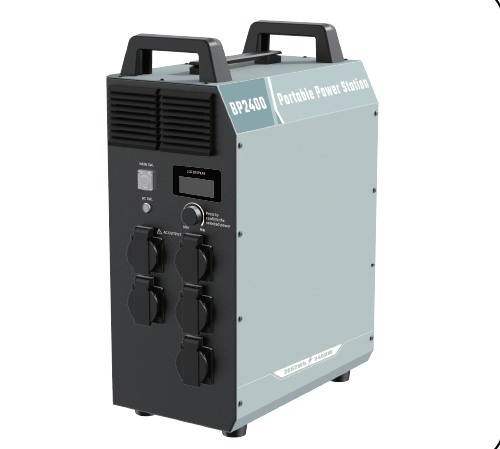
Solar Generator for RV 30 Amp: Load Budget and RFQ Questions
A practical method for RV dealers and buyers to budget a 30A/120V shore-power load against a solar-charged battery power station's rated output, size surge headroom, balance recharge with daily consumption, and confirm the right details with a supplier before ordering.
Flexible vs Foldable RV Solar Panels: What Wholesalers Check
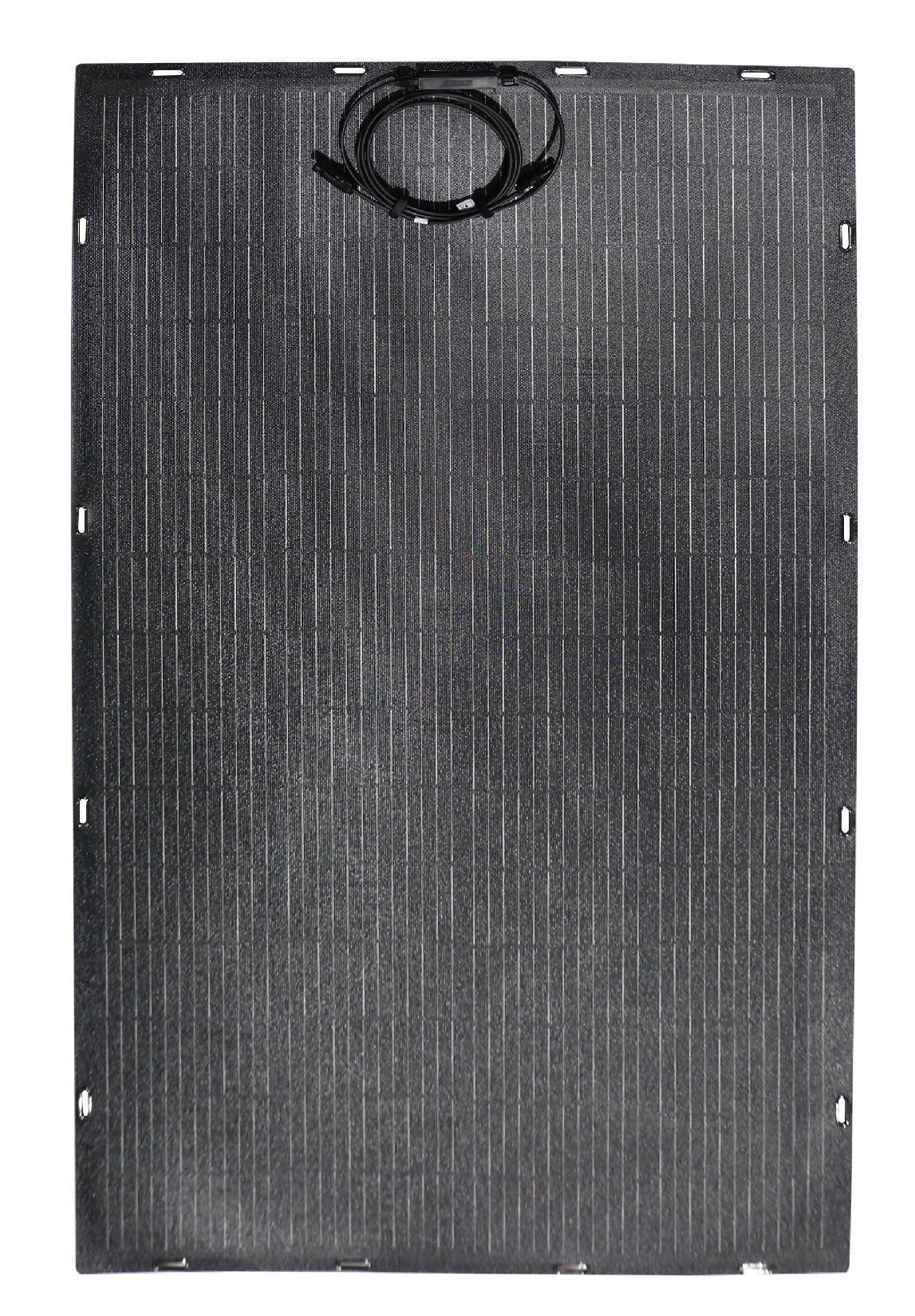
A procurement-grade comparison of flexible glued-on roof solar panels and foldable suitcase panels for RV wholesale buyers, distributors and OEM project teams, with a factory inspection checklist covering cell grade, junction box sealing, connector options, palletization and sample testing before batch production.
High-Capacity LiFePO4 Power Stations: 2 to 12 kW Compared
A spec-verified side-by-side of the DRIVELONG high-capacity lfp power station line, from the 2,662 Wh BP2400 to the 12,000 VA EP12000iL, plus selection guidance by application and a buyer checklist for supplier verification.
LiFePO4 vs Lithium-Ion in Portable Power Stations
LiFePO4 stands for lithium iron phosphate, often shortened to LFP, and it is a member of the lithium-ion family used in portable power stations. This article explains what the abbreviation means and compares chemistry choices on the points a buyer can actually verify on a spec sheet: cycle life class, pack-level safety engineering, weight and energy density trade-offs, and cost per usable cycle.