
A solar power battery backup system stores solar or grid energy in a LiFePO4 battery and delivers it through an inverter, switching over in milliseconds when the grid fails. This guide explains the four functional blocks of the system, compares the DRIVELONG EP and BP series on capacity, output, solar input and expansion, lists the specifications a wholesale buyer must confirm before an RFQ, and gives a brief structural overview of what drives the quote.
A solar power battery backup system is four blocks wired in a fixed order: solar panels feed an MPPT charge controller, the controller charges a LiFePO4 battery bank, an inverter converts the stored DC to AC, and a transfer switch moves the load to the battery when the grid drops. For a wholesale or project buyer, the ordering decision is not about the brand on the enclosure; it is about matching the battery capacity, inverter output, solar input window, transfer time and expansion path to a defined load, then confirming certifications and shipping terms. This article sets out how the blocks work, what each DRIVELONG model actually offers, and which specifications to confirm before you send an RFQ.
Key takeaways
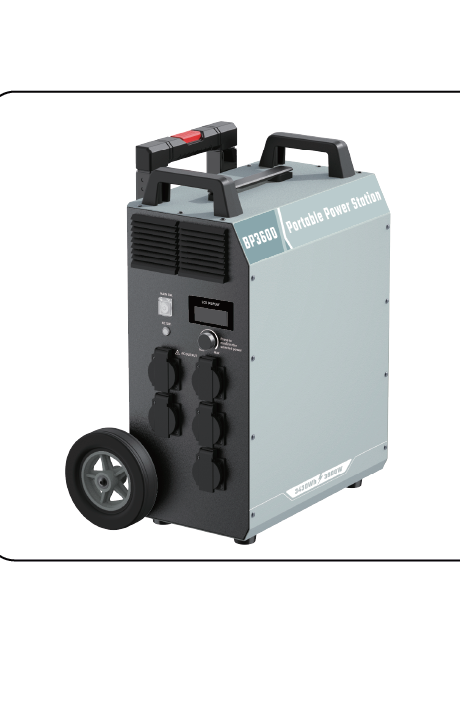
- Solar backup power is limited first by the solar input window (VDC range) and wattage ceiling, then by battery capacity, then by inverter output.
- UPS switchover is quoted as a transfer time; the EP5000iL and BP3600 both list 10 ms or less, which is the figure to confirm against your protected load.
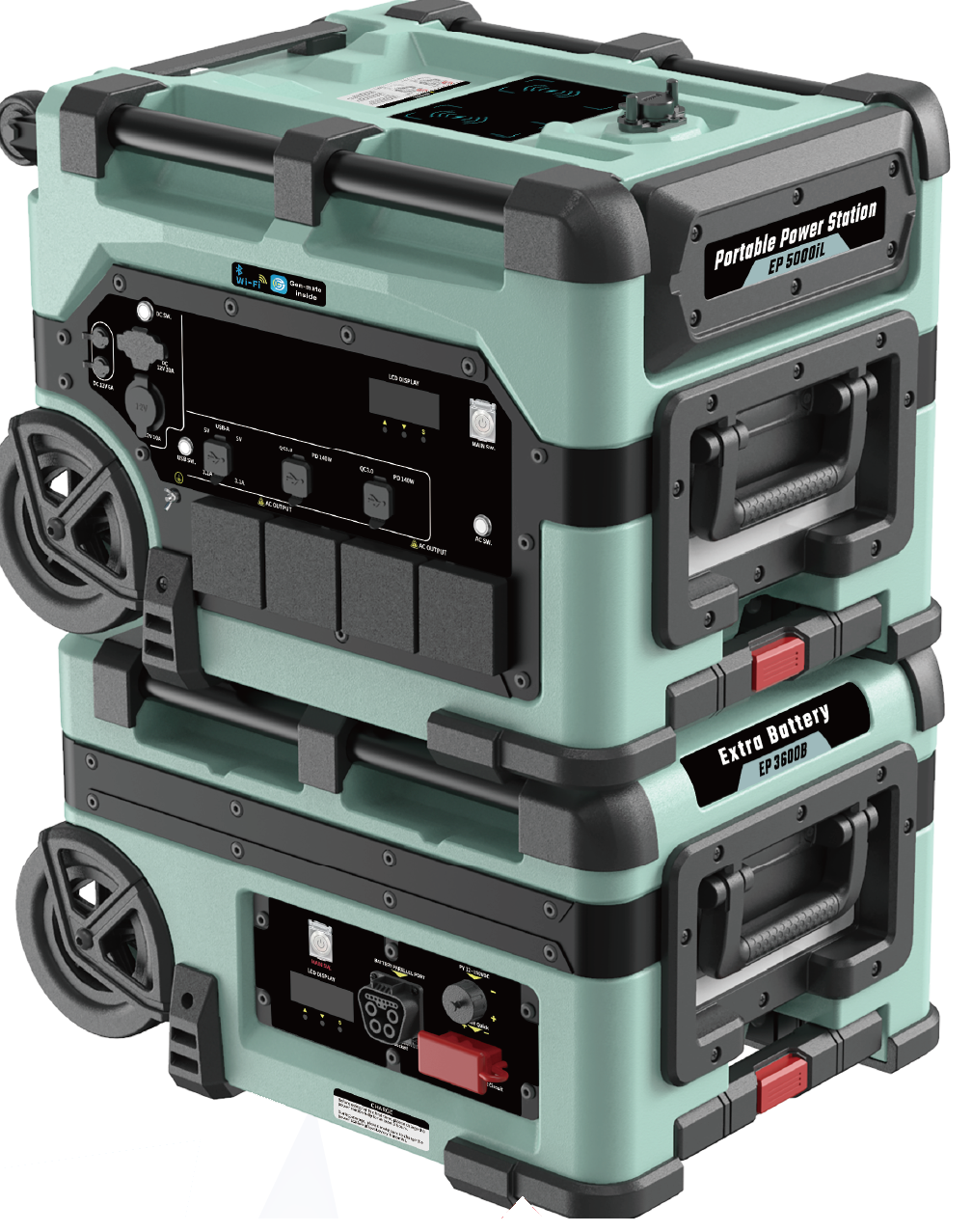
- Expansion is model-specific: the EP5000iL reaches 109 kWh with up to 31 EP3600B packs, while the EP12000iL reaches 372 kWh with the same pack count.
- Certifications (RoHS, CE, UN 38.3) are listed per model; confirm the certificate scope and shipping documentation before ordering.
- Quote drivers are battery capacity and chemistry, inverter output, extra packs, certifications and shipping; the detailed cost breakdown lives in a separate guide.
How a solar power battery backup system works
A home solar system with battery storage, or an off grid solar battery backup, follows the same four-stage path. Solar DC enters an MPPT (maximum power point tracking) charge controller, which holds the array near its best operating voltage and limits current to what the battery can accept. The controller charges a lithium iron phosphate (LiFePO4) bank. The inverter draws from that bank and produces the AC waveform the load expects. The transfer switch, built into the unit on the models below, senses grid loss and moves the load to the inverter output.
Each stage constrains the next. An oversized array cannot push more than the controller's wattage ceiling, and a battery cannot accept charge faster than its own limit. The inverter's rated output sets the largest load the system can carry continuously, with the peak figure covering short inrush. Transfer time decides whether downstream equipment rides through the gap or restarts. When you evaluate a solar back up battery as part of a whole-building design, the load list and backup duration are the starting point; the sizing method and the RFQ questions that follow are set out in the whole-house battery backup sizing guide. If the site has no panels at all, the companion guide whole house battery backup without solar covers the grid-charged case.
Solar input, battery and inverter on the DRIVELONG models
The table below compares the four models on the specifications that determine whether a given load and array will work. All units use LiFePO4 cells; the BP1000 uses 8000-cycle ultra-low-voltage LiFePO4 cells per its product record.
| Model | Battery | Output (rated / peak) | Solar input | Transfer / expansion |
|---|---|---|---|---|
| BP1000 | 2010 Wh | 1000 W / 2000 W | Built-in 500 W MPPT controller; 18.5 kg net weight | Expansion not listed in product record |
| BP3600 | 3430 Wh | 3600 W / 7200 W | 12 to 150 VDC, max 2400 W; about 1.5 h to full | UPS 10 ms or less; IP53 unit / IP66 pack |
| EP5000iL | 3430 Wh | 5000 W / 10000 W | 12 to 150 VDC, max 1600 W; about 2.5 h to full | UPS 10 ms or less; up to 31 EP3600B packs to 109 kWh; two units parallel to 10 kW |
| EP12000iL | 7680 Wh | 12000 VA / 24000 VA; 12 kW three-phase, 11 kW single-phase, 10 kW split-phase | PV 120 to 450 VDC max 5000 W, or 80 to 450 VDC max 5500 W | Transfer time not listed in product record; up to 31 extra batteries to 372 kWh; 70-minute full charge |
The BP3600 and EP5000iL share the same 3430 Wh battery and the same 12 to 150 VDC solar window, but they differ on inverter output (3600 W versus 5000 W) and on the solar wattage ceiling (2400 W versus 1600 W). The BP3600 reaches full charge in about 1.5 hours on solar; the EP5000iL needs about 2.5 hours. For an array built for maximum harvest per unit, the BP3600 accepts more solar power; for a load that needs a 5000 W continuous inverter, the EP5000iL is the matching unit. Matching array voltage and wattage to that window is its own decision, covered in the solar panel and MPPT matching guide.
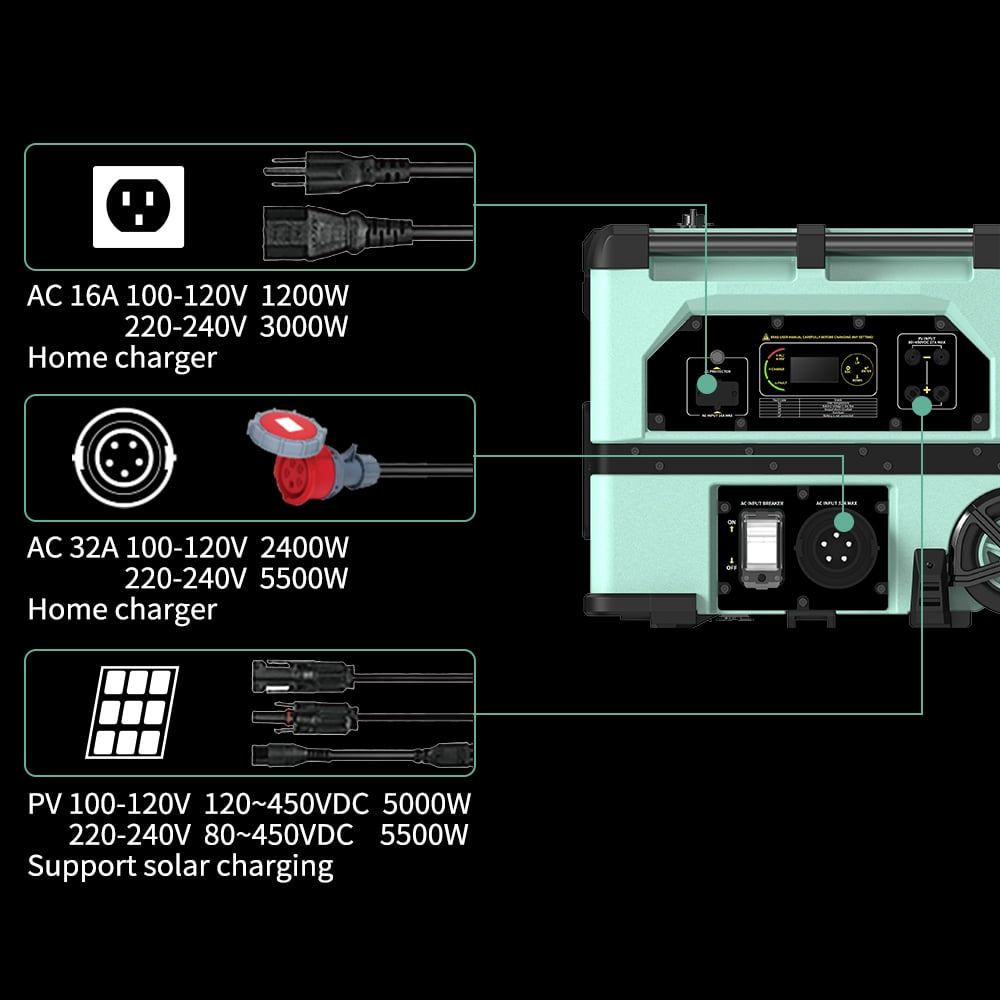
The EP12000iL is the high-power case. It outputs 12 kW three-phase, 11 kW single-phase or 10 kW split-phase, accepts utility plus high-voltage and low-voltage solar charging, and reaches full charge in 70 minutes. Its official charging parameter chart sets the AC and PV options separately, so the input figure depends on which AC branch and which PV window you specify.
What to confirm before you order
Five specifications decide whether a unit fits a project. Confirm each against the actual load list and site conditions, not the brochure headline.
- Inverter output and phase. Continuous rating must cover the load; peak rating only covers inrush. For the EP12000iL, confirm whether the site needs three-phase, single-phase or split-phase, because the three output figures differ.
- Solar input window and wattage ceiling. A string whose open-circuit voltage falls outside the listed VDC range will not charge the unit, and wattage above the ceiling is clipped. Do not assume the BP1000 has a stated maximum solar wattage; its product record lists the 500 W MPPT controller but no maximum solar input figure, so confirm that value with the supplier.
- Battery capacity and expansion. The EP5000iL and EP12000iL both take up to 31 extra packs; the total differs (109 kWh versus 372 kWh). If the project requires a defined backup duration and growth path, the pack count and the pack's protection rating are part of the specification.
- UPS transfer time. The EP5000iL and BP3600 list 10 ms or less; the EP12000iL product record does not state a transfer time, so confirm it with the supplier if your protected equipment needs a defined figure.
- Certifications and shipping data. All four models list RoHS, CE and UN 38.3; the EP5000iL, BP3600 and EP12000iL carry a 5-year warranty. UN 38.3 bears on lithium battery transport documentation, so the shipping file and the certificate scope should be checked for the exact model and destination.
What moves the quote: a brief structural overview
The quote for a bulk or project order is built from six inputs. First: battery capacity and chemistry, which set the cell count and the pack cost. Second: inverter output and phase configuration, since the EP12000iL's three-phase branch is a different build from the single-phase. Third: expansion packs, quoted by count and by the total battery energy the project targets. Fourth: certifications and test documentation required for the destination market. Fifth: shipping and packaging, including UN 38.3 transport documentation and volume. Sixth: quantity and delivery schedule.
This article does not quote prices or price ranges, because no prices are recorded for these products. For the detailed breakdown of how those drivers translate into a bulk or project budget, see the solar generator cost guide.
RFQ orientation: what to send
A useful RFQ states the requirement, not just the model name. Include the load list with continuous and peak wattage and the required phase, the target backup duration and any growth path, the proposed array's open-circuit voltage and wattage, the transfer-time requirement for protected equipment, the destination market and required certificates, and the quantity and delivery window. State which model and pack count you are asking about, and flag any specification that is not listed in the product record, such as the BP1000 maximum solar input, as a point to confirm.
The supplier's reply should then be read against that checklist: whether the inverter rating covers the continuous load, whether the array falls inside the VDC window and under the wattage ceiling, whether the pack count reaches the target duration, and whether the certificate and UN 38.3 documents cover the exact model and destination. An unresolved point stays unresolved until the answer supplies the figure; it is not a default. Start the conversation through the product pages linked above, or open with a written checklist for the project team.
Specifications in this article are as listed in DRIVELONG product records for the BP1000, BP3600, EP5000iL and EP12000iL. Confirm certificate scope, shipping documentation and any figure not listed in the product record directly with the supplier before ordering.