A practical comparison of four buying channels for portable power stations — manufacturer direct (including OEM/ODM), regional distributors, wholesale markets and B2B platforms, and local retail — with the verification steps to complete before you place a B2B order.
Buyers searching for where can I buy a portable power station usually already know the product class; the real decision is which channel to use and how to check a supplier before money changes hands. Four channels are realistic for B2B purchase: buying direct from the manufacturer (including OEM/ODM), buying through regional distributors or agents, buying on wholesale markets and B2B platforms, and buying from local retail. Each fits a different order size, customization need, lead-time tolerance and after-sales expectation, and each carries its own verification job.
Buying direct from the manufacturer (including OEM/ODM)
Manufacturer-direct is the channel for buyers who need a specific model, a private-label program or a configuration change, and who can absorb a production lead time. It is also where you get the clearest line to the people who build and warrant the unit.
Decision conditions:
- Order volume — direct sourcing is realistic when volume supports a production run; for small trial quantities the manufacturer may be the wrong entry point.
- Customization need — OEM/ODM work (housing, labeling, port layout, bundled accessories) belongs here rather than with a reseller.
- Lead time — you accept production plus freight time rather than shipping from stocked inventory.
- After-sales responsibility — warranty and spare-parts terms are negotiated directly with the party that made the unit, which is usually clearer than chasing a reseller.
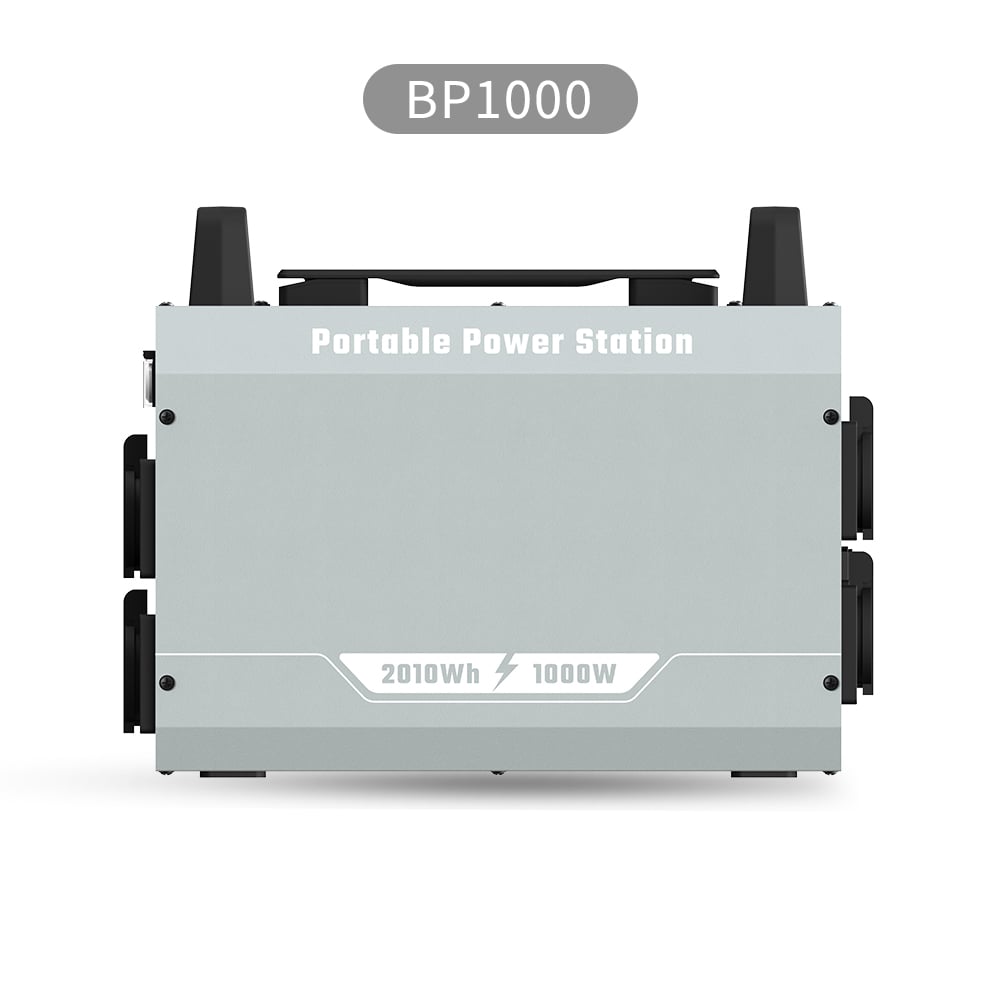
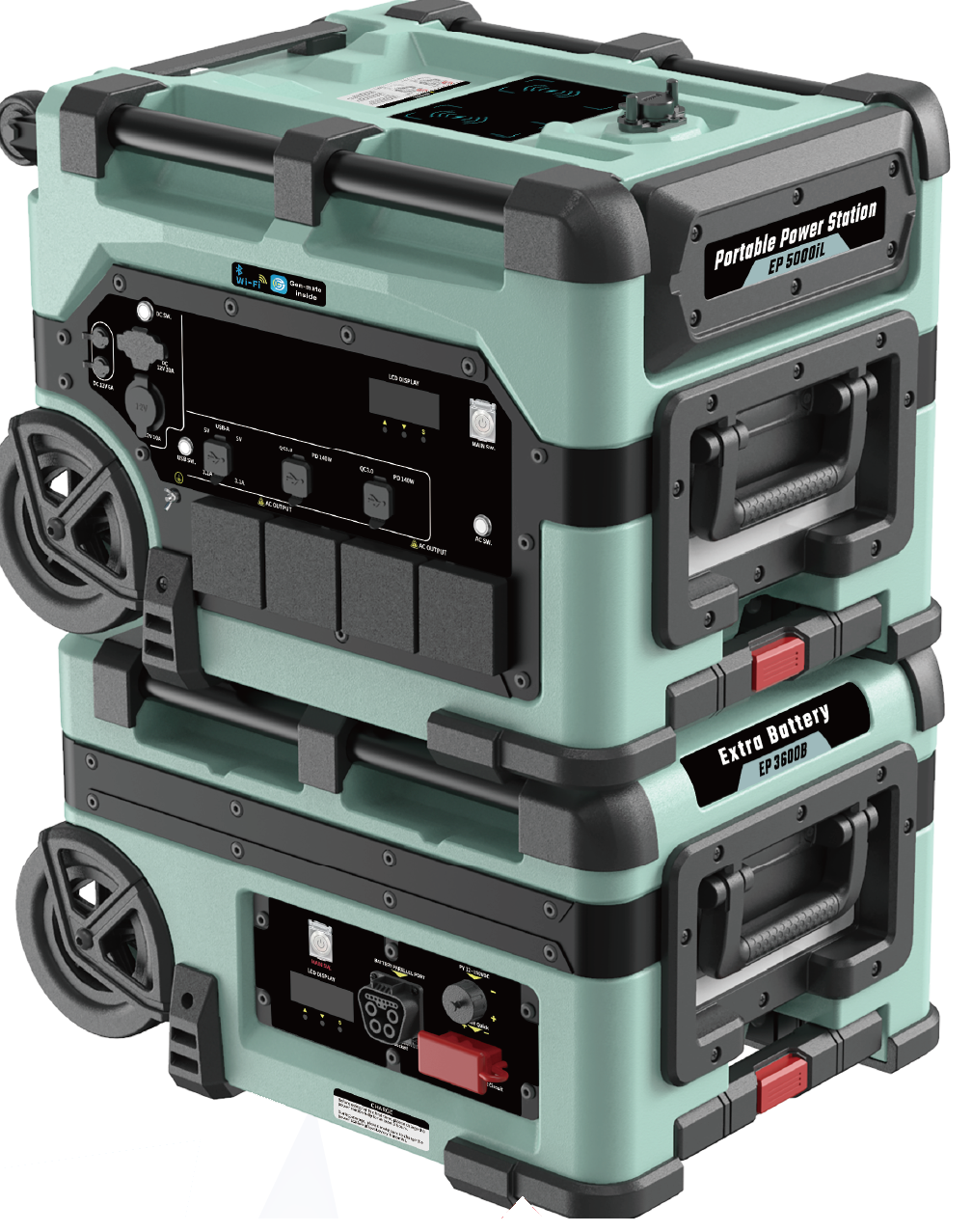
A factory-direct order can cover everything from entry-level units to high-capacity wheeled models and expandable systems. For example, a buyer might start with the BP1000 portable power station (2010Wh, 1000W rated / 2000W peak, ultra-low-voltage LiFePO4, 500W MPPT, 18.5kg) as a volume line, add the CP1200iL compact power station (2048Wh, 1200VA rated / 2400VA peak, full charge in about 2 hours, telescopic rod) for a portable-format offer, and quote the EP5000iL smart mobile power station (3430Wh, 5000W rated / 10000W peak, expandable to 109kWh, 10kW parallel with two units, UPS ≤10ms) for higher-demand projects — all from the same supplier relationship.
Regional distributors and agents
Distributors and agents sit between the factory and the buyer. They stock or consolidate for a territory and are the right channel when you want smaller drops than a direct production run, local language and support, or a known party inside your region.
Decision conditions:
- Order volume — suits replenishment or mixed orders below a direct-run threshold.
- Customization need — limited; a distributor sells the manufacturer's catalog, not new tooling or private-label programs.
- Lead time — shorter when the item is in the distributor's stock, longer when it must be back-ordered from the factory.
- After-sales responsibility — the distributor handles first-line service; confirm whether warranty repairs are done locally or escalated to the manufacturer.
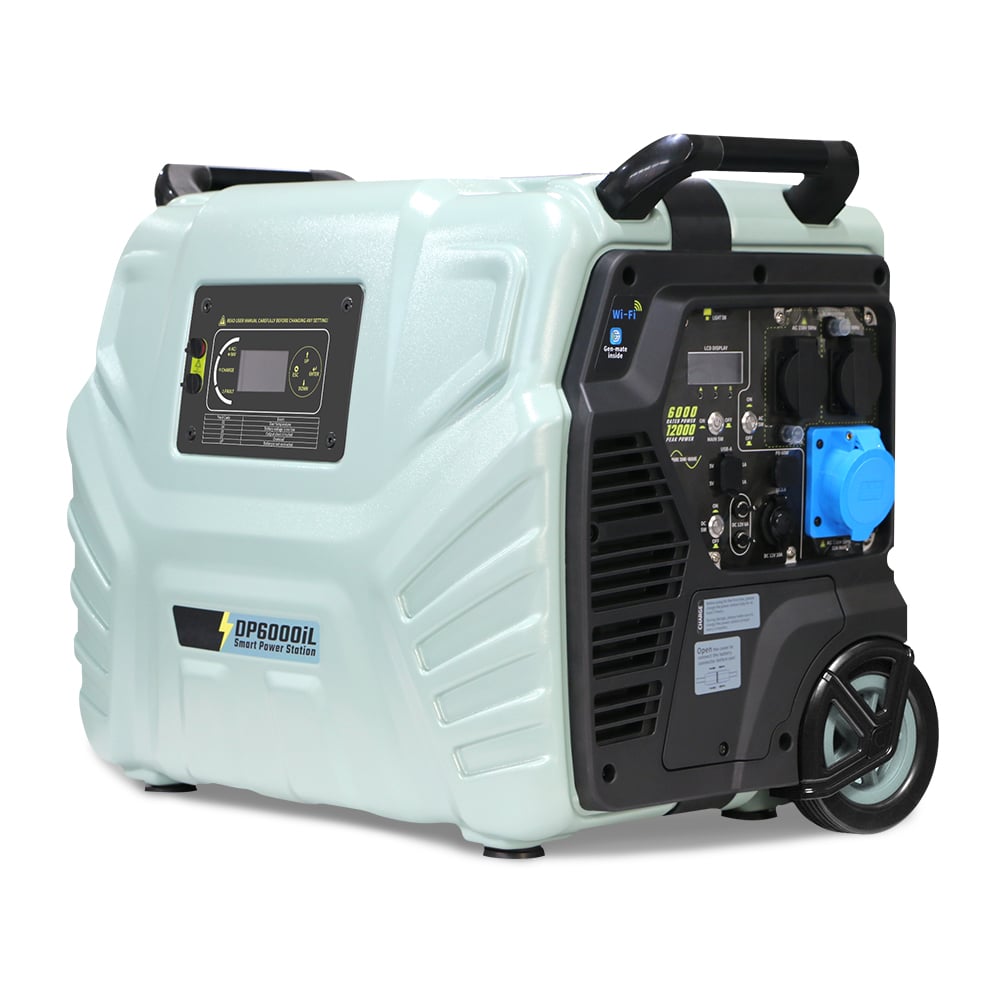
Large wheeled units are a typical distribution item because stocking them locally reduces the buyer's freight and handling burden. The DP6000iL portable power station (5376Wh, 6000VA rated / 12000VA peak, EV charging supported, expandable to 172kWh with 31 extra batteries) is the kind of high-capacity unit a regional distributor may hold for project buyers who cannot wait on a factory run.
Wholesale markets and B2B platforms
Wholesale markets and B2B platforms are discovery channels. They let you compare many sellers quickly, but the entity behind a listing is not always the entity that builds the product. Use them to widen the candidate set, then qualify the strongest listings as if you were dealing factory-direct.
Decision conditions:
- Order volume — flexible; listings often accommodate mixed quantities but rarely support deep customization.
- Customization need — usually unavailable; branding and configuration are what the listing offers, not what you specify.
- Lead time — varies by seller and is often the least reliable part of a platform listing.
- After-sales responsibility — the seller on record, who may be a trading intermediary rather than the manufacturer; establish who actually warrants the unit.
Before treating any platform listing as a real supplier, verify that the seller can evidence the exact model and destination-market certificates you need, not a generic catalog file. A platform account is a starting point, not a qualification.
Local retail
Local retail is a small-quantity channel: consumer or light-commercial outlets selling individual units off the shelf. It fits sampling, urgent single-unit replacement or a trial before a larger order, not volume supply or private-label work.
Decision conditions:
- Order volume — low; retail pricing reflects one-off purchase, not wholesale terms.
- Customization need — none.
- Lead time — immediate if in stock.
- After-sales responsibility — the retailer, under its own return and warranty policy; for a B2B fleet this is usually not the support path you want.
Verification checklist before you order
Whichever channel you choose, the pre-order checks are the same. Do them before the purchase order, not after the first shipment.
Business credentials and export capability
- Match the legal business name on the contract, invoice and business license; watch for a trading company presenting itself as the factory.
- Confirm the supplier can actually export to your destination — the paperwork chain, not just a promise.
- Ask who signs the contract and who issues the invoice; they should be the same entity you have checked.
Certification documents matched to your destination market
- Request certificates for the exact model you are buying, not a related model or a general catalog.
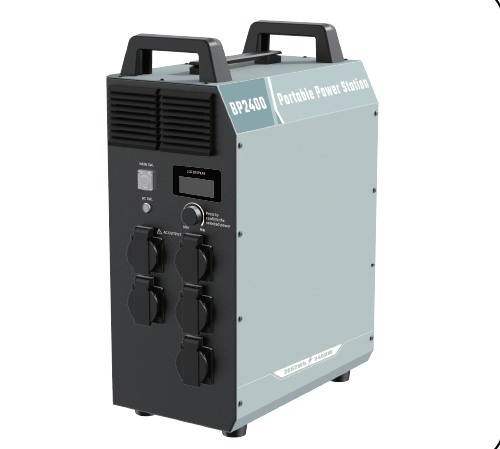
- Check that the certificate scope and destination market line up with your import requirement. CE, RoHS and UN 38.3 are common examples to look for — the BP2400 smart mobile power portable power station (2662Wh, 2400W rated / 4800W peak, built-in 1200W MPPT, UPS <10ms, CE/RoHS/UN 38.3, 5-year warranty) lists those on its product record — but you must confirm the certificates and versions for the exact model and destination yourself. A listed certification on one model does not extend to another.
- Verify the certificate holder and issuing body; a document with the wrong holder or an expired version does not cover your order.
Samples and factory audits
- Order a sample of the exact configuration you intend to buy and test it against your own acceptance criteria.
- If you cannot visit, use a third-party audit or a documented video walk-through of the production line and quality stations.
- Ask for the battery configuration and bill of materials for the sample, and check it matches what you will be shipped.
Payment terms and delivery protection
- Agree the payment schedule in writing, with deposit and balance tied to defined milestones.
- Specify the Incoterm, port, packaging and who bears insurance.
- Put inspection and acceptance criteria in the contract so a shipment that fails them has a defined remedy.
- Confirm what happens to tooling, drawings and brand assets if the relationship ends.
If you are at the RFQ stage, the companion article on choosing a portable power station supplier and structuring your first RFQ through to first order covers supplier selection and RFQ in depth; this article does not repeat that process.
Channel comparison
| Channel | Buyer profile | Main advantage | Main limitation | Key verification step |
|---|---|---|---|---|
| Manufacturer direct (incl. OEM/ODM) | Volume buyers, private-label and project buyers | Direct line to the party that builds and warrants the unit; customization possible | Production lead time; higher commitment per run | Factory audit and certificates for the exact model |
| Regional distributors / agents | Buyers needing smaller drops or local support | Local stock and first-line service | Limited customization; warranty path may escalate | Confirm the distributor's actual stock and escalation path |
| Wholesale markets and B2B platforms | Buyers widening a candidate set | Fast comparison across many sellers | Seller identity and after-sales often unclear | Qualify the seller to factory-direct standard |
| Local retail | Sampling and small-quantity buyers | Immediate availability | Not viable for volume or customization | Check the retailer's return and warranty terms |
This article answers where to buy. If your next question is how to match a station with solar panels before ordering, read how wholesale buyers pair stations and panels before ordering — that article covers the pairing decision, not the purchase channel.
FAQ
Where to buy a portable power station for a B2B order?
For volume or private-label needs, manufacturer-direct is the most direct route and gives you the clear warranty path. For smaller replenishment orders or local support, a regional distributor is more practical. Wholesale platforms are useful for finding candidates but still require full supplier verification.
Where to buy a portable power station near me?
Local retail outlets sell individual units and are the right choice for sampling or a single replacement. B2B buyers usually source through a manufacturer or distributor because local retail does not offer wholesale terms, customization or a fleet-level warranty path.
How many suppliers should I verify before ordering?
There is no fixed number. Verify each candidate against the same checklist — business identity, destination-market certificates for the exact model, sample and audit, and payment terms — and proceed with the one that answers all of them in writing.
Can I get OEM/ODM customization through a distributor?
Usually not. Customization is agreed with the manufacturer, because it involves tooling, drawings and production changes. A distributor sells the manufacturer's catalog; if you need a changed configuration, deal with the factory.