
What Drives the Cost of a Solar Battery Storage System
The cost of a solar battery storage system is driven by battery capacity and chemistry, inverter power class, solar input (MPPT) capability, certification and testing scope, and the level of OEM/ODM customization requested — and, for wholesale buyers, also by volume, MOQ and lead time. Quotations move mainly along those variables, not along a single headline number.
It is worth separating this product from a portable solar generator early, because the two are specified differently. A solar generator is a compact, self-contained unit built around light loads and portability; a solar battery storage system is defined by its battery bank, inverter power class and expandability toward larger total capacity. If you are pricing the portable category, read our published breakdown of solar generator cost alongside this article. For the component-level view — battery packs, inverter, MPPT, enclosure — start with what a solar battery storage system is and the B2B purchase checklist.
How the Cost Structure Breaks Down
When a manufacturer builds a quotation, it sums the cost of a small number of building blocks. Knowing which ones your order touches tells you which levers to pull.
Battery pack: capacity and chemistry
Capacity in Wh is the most visible driver. The more lithium iron phosphate (LiFePO4) cells in the pack, the higher the material share of the unit. Chemistry matters for cycle expectations and for the documentation that follows the goods; LiFePO4 appears in the manufacturer's records alongside 5000 cycles on the BP2400. In procurement terms, state required usable kWh per unit and whether expansion packs are part of the order.
Inverter: rated versus peak output
Rated output (W or VA) and peak output are quoted separately, and the inverter is sized to the peak. A 5000W / 10000W unit and a 12000VA / 24000VA unit sit in different price classes because the power electronics differ. Ask for both figures in writing — a quote that lists only "rated" hides half the specification. One model can also carry two output apertures: the EP5000iL record lists Rated 5000W / Peak 10000W and, separately, a single-phase AC output of 3000W, so ask the supplier to confirm in writing which figure applies to your load profile.
MPPT solar input
Solar input decides how fast the pack recharges from panels. Records show units with different MPPT windows and maximums — for example 12-150VDC with 1600W maximum on the EP5000iL, and a built-in 1200W MPPT (12-105VDC) on the BP2400. A wider voltage window and a higher solar maximum cost more in hardware but change what the buyer can pair with the unit.
Enclosure, structure and handling
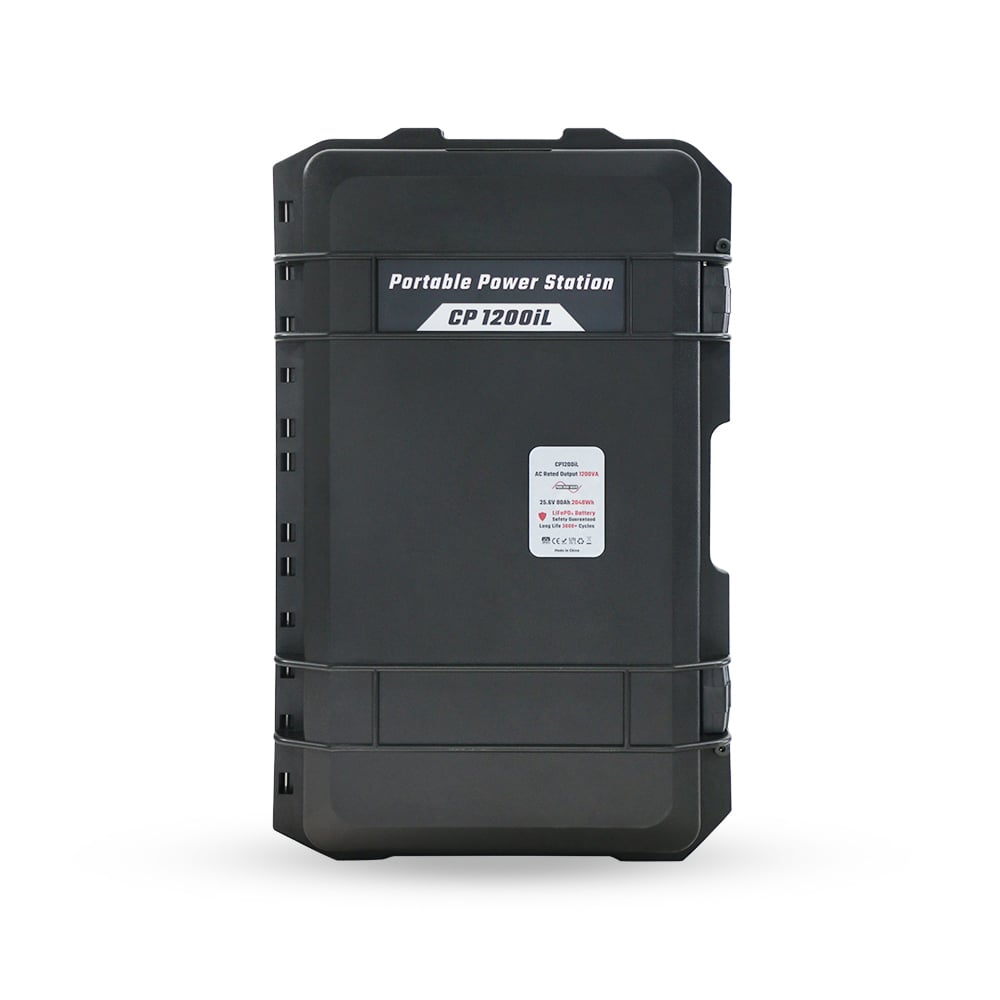
Wheels, handles, stacking arrangements and telescopic pull handles (the CP1200iL includes one) affect tooling and packaging cost. If your channel sells into installers, enclosure design and bracing decide how the unit behaves in transport and on site.
Certification and testing
Certification scope is a line item because testing is paid per scheme per model. Some records list RoHS, CE and UN 38.3 (EP5000iL, BP2400, BP3600); other records in the same catalog do not state certifications. Treat the certificate list as something to confirm per model and per target market, not as uniform across the range. Note that the records list certification names only — no certificate numbers, standard versions or coverage scope — so ask the supplier for the certificate scope and the models it covers.
Quote Variables Mapped to RFQ Fields
Each cost driver has a matching field you can put in the request. The table below uses the manufacturer's own published models as tier examples so you can see how the parameters shift from compact to flagship.
| Model | Battery capacity | Rated / peak output | Solar input (as listed) | Expansion (as listed) | Certifications (as listed) |
|---|---|---|---|---|---|
| CP1200iL | 2048Wh | 1200VA / 2400VA | Not stated in record | Not stated in record | Not stated in record |
| BP2400 | 2662Wh LiFePO4 (5000 cycles) | 2400W / 4800W | Built-in 1200W MPPT (12-105VDC), max 1200W, 2.5 hours | Not stated in record | CE, RoHS, UN 38.3 |
| DP2400iL | 2496Wh | 2400VA / 4800VA | Not stated in record | Up to 109kWh | Not stated in record |
| EP5000iL | 3430Wh LiFePO4 | 5000W / 10000W | 12-150VDC, max 1600W, 2.5 hours | Up to 31 x EP3600B, total 109kWh | RoHS, CE, UN 38.3 |
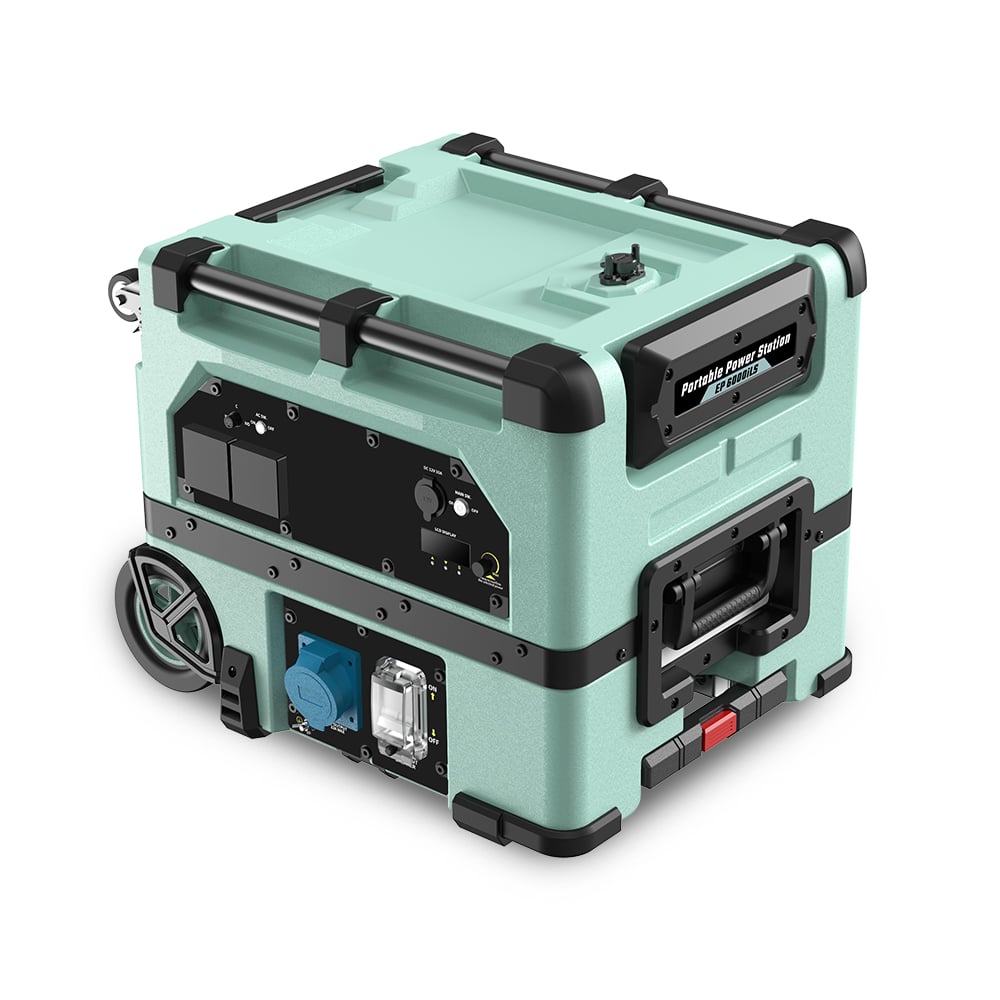
| EP6000iLS | 5376Wh | 6000VA / 12000VA | Not stated in record | Up to 31 packs, total 172kWh | Not stated in record |
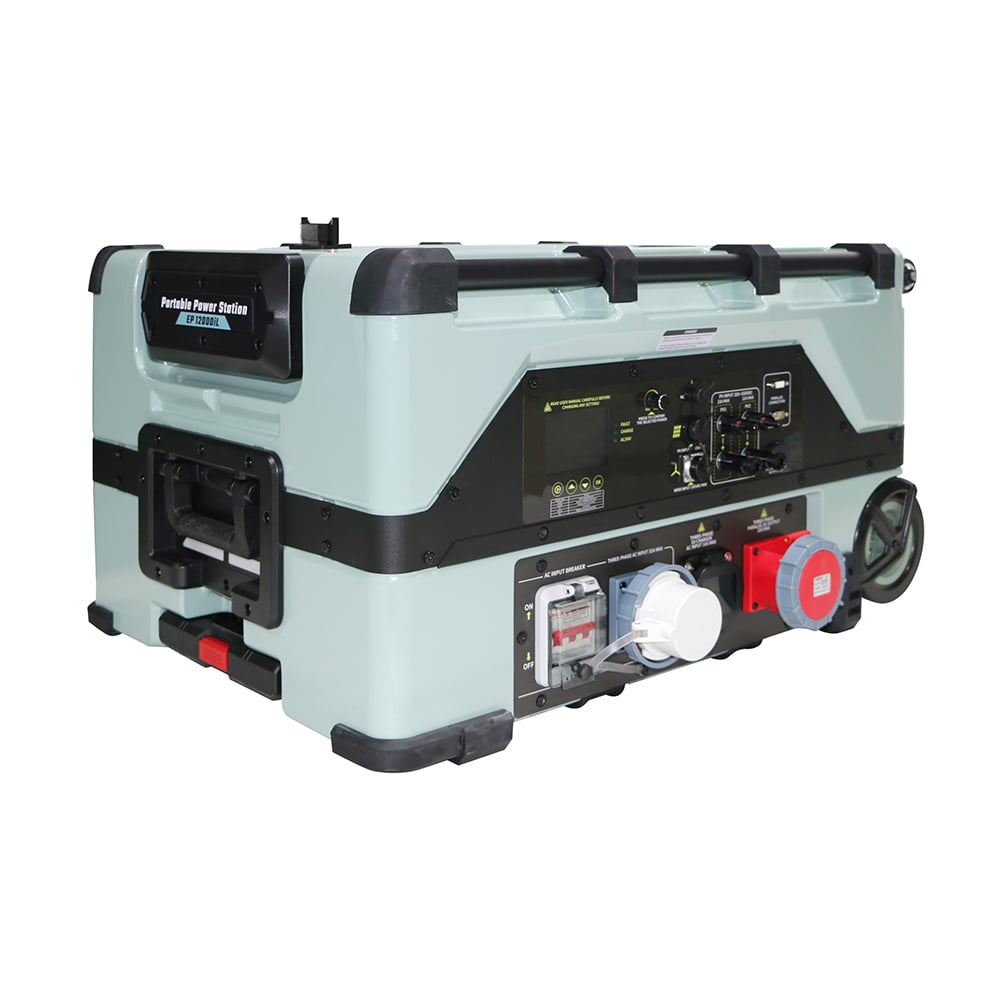
| EP12000iL | 7680Wh | 12000VA / 24000VA | HV/LV solar input supported; MPPT window and max not stated in record | Up to 372kWh | Not stated in record |
Use the same rows in your RFQ: capacity tier, power tier, expandability target in total kWh, solar window, certification per market, MOQ and lead time, and OEM/ODM scope. Where a cell says "not stated in record," that is exactly the field to ask the supplier to fill.
Two clarifications on the table. First, charging figures — "90% in 1 hour" on the EP6000iLS and a 70-minute full charge on the EP12000iL — are overall charging specifications from the records, not solar-only figures; the EP6000iLS dual 16A/32A entry is its listed input specification. Second, where the solar input column says "not stated in record," ask the supplier for the MPPT voltage window and maximum solar wattage in writing before you match a panel array.
Residential Energy Storage versus Commercial Battery Storage Systems
The same catalog supports both conversations, but the requirements differ. For residential energy storage, buyers typically fix a single unit's capacity and one power class, then ask how many expansion packs can be added later. The expandability figure in the records matters here: the EP5000iL reaches 109kWh with up to 31 EP3600B packs, and the EP6000iLS reaches 172kWh with 31 packs — totals quoted directly from the records, with per-pack capacity not stated, so do not back-calculate it.
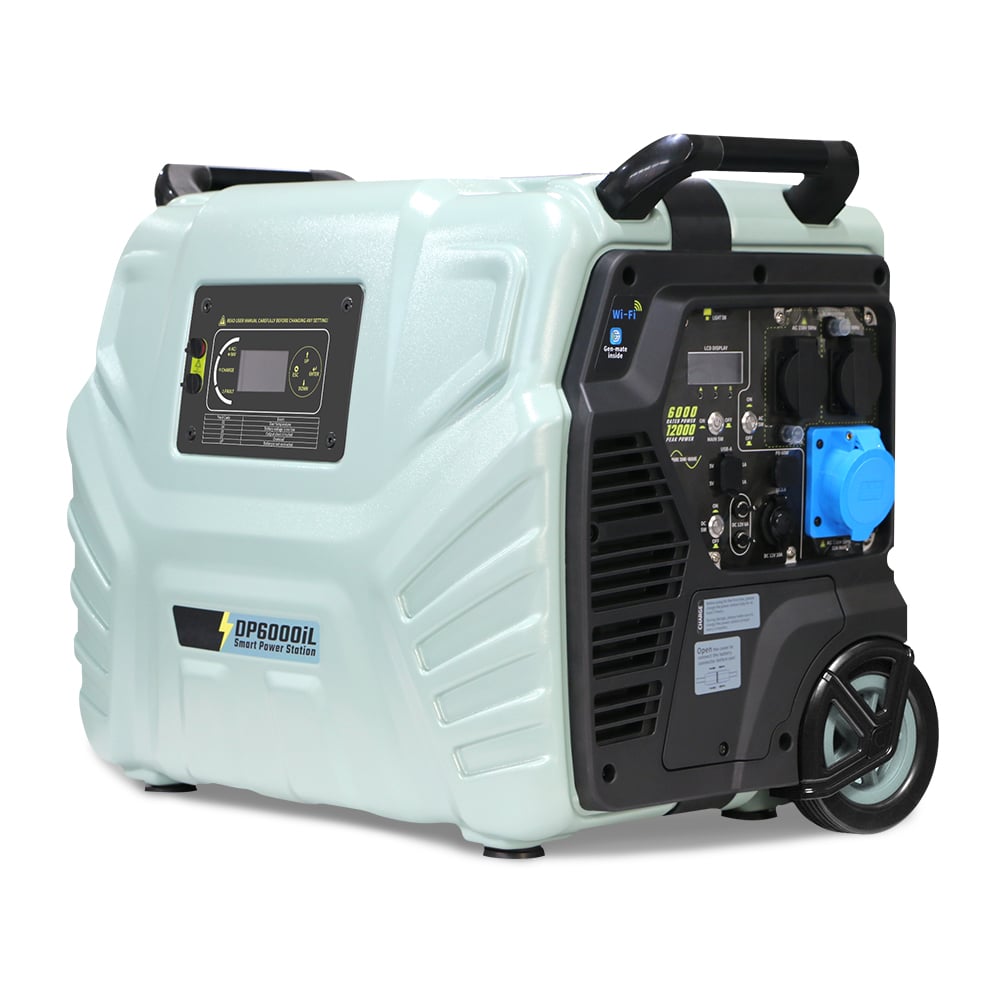
For commercial battery storage systems, the expandability target moves toward hundreds of kWh, and output phases become a procurement question rather than a detail. The EP12000iL record lists "12kW three-phase, 11kW single-phase, 10kW split-phase" and expansion to 372kWh, plus a built-in 22kW EV charger; the DP6000iL record notes EV charging support. That combination — higher capacity ceiling, multi-phase output and EV charging — is what separates a commercial-qualified specification from a residential one. Which phase class your project needs depends on the load types and site wiring you serve, so state the phase requirement explicitly in the RFQ and let the supplier confirm the match. Note that the per-unit capacity of the EP3600B expansion pack is not stated in the published record, so ask the supplier to confirm it rather than calculating a total yourself.
How to Build a Comparable Bulk RFQ
Quotes become comparable when every supplier answers the same field set in the same units. Send one template and require it back unedited.
- Capacity and expandability: required Wh per unit, plus the required total kWh and how many expansion packs reach it.
- Output power and phases: rated and peak in W or VA, AC voltage range, and single/three/split-phase requirement.
- Solar input: MPPT voltage window, maximum solar wattage, and expected recharge time under stated conditions.
- Certifications per target market: name each scheme you need and ask for the certificate scope and model coverage.
- MOQ and lead time: per model, with any tiering.
- Packaging: carton dimensions and unit weight, plus pallet quantity, so freight can be quoted.
- OEM/ODM scope: branding, enclosure changes, connector or interface changes — each stated as a separate line so you can see what the customization adds.
- Warranty terms: period, coverage and who handles claims.
Two fields in this list are easy to underweight. Warranty terms — period, coverage and who handles claims — decide the risk you carry after delivery, so compare them across suppliers rather than treating them as small print. Packaging — carton dimensions, unit weight and pallet quantity — feeds directly into freight, so ask for it per model instead of estimating.
If panels are part of the order, quote them separately. The DSF foldable monocrystalline series runs DSF30C/DSF50C/DSF100C/DSF200C/DSF300C/DSF600A, and the DS flexible series covers DS100F/DS170F/DS300F. Panel open-circuit and operating voltages are not stated in the records, so panel-to-unit compatibility should be confirmed in writing by the supplier against the specific storage model.
Key takeaways for wholesale buyers
- Capacity, chemistry, inverter class, MPPT and certification are the five structural cost drivers.
- Volume, MOQ, lead time and OEM/ODM scope are the commercial drivers on top of them.
- One RFQ template used across all suppliers is what makes quotes comparable.
- Ask for both rated and peak output, and for certification coverage per model.
Frequently Asked Questions
What should I budget for a 10kW-class solar system with battery storage?
Budgeting a 10kW-class system means fixing four decisions: the storage capacity in kWh you need during backup, the output power class (rated and peak) that matches the load, the solar MPPT window that matches your panel array, and the certification set for the destination market. In this catalog, the EP12000iL is listed at 12000VA rated / 24000VA peak and expandable to 372kWh — a reasonable benchmark for that power class. Set those four values in your RFQ and ask each supplier to quote against them.
How do home solar battery cost and home battery storage prices differ for wholesale buyers?
They usually describe the same category from two angles. "Home solar battery cost" is commonly used when the buyer is pricing the battery component; "home battery storage prices" often covers the integrated unit with inverter and enclosure. For a wholesale buyer, the useful distinction is what is inside the quoted unit — pack only, pack plus inverter, or pack plus inverter and MPPT — and whether expansion packs are priced separately.
What raises solar battery backup cost?
The largest levers are total capacity, peak output class, and certification scope. A higher peak rating means a larger inverter; a wider MPPT window and higher solar maximum add hardware; each additional certification scheme adds testing per model. OEM/ODM changes and small MOQs add cost on the commercial side.
How should I evaluate solar battery storage companies before requesting quotes?
Start from what the supplier publishes: model records with stated capacity, rated and peak output, MPPT window, expansion ceiling and certification list. Where a field is missing from the record, ask for it in writing. A supplier who fills every RFQ field with specific values, in your units, gives you something to compare; one who answers with generalities does not.
What should a commercial battery storage systems RFQ specify?
At minimum: required total kWh and expansion pack count, single/three/split-phase output with rated and peak values, solar input window and maximum, EV charging requirement if applicable, certification per target market, MOQ, lead time, packaging and pallet quantity, and OEM/ODM scope. Include the same field set for every supplier, and ask for the per-unit capacity of any expansion pack in writing.