Can a 6kW LiFePO4 power station be charged from an EV Type 2 port? This article explains what a Type 2 EV charger is, how it differs from Mode 2 and Level 2, and why compatibility depends on the specific EV, charge station, and cable. Includes a clear checklist for B2B buyers and distributors.
EV Charging Compatibility
Direct answer: it depends on the EV, the charge station, and the cable
If you are evaluating a 6kW-class portable power station with a LiFePO4 battery and you want to charge it from an electric vehicle (EV) or a charge station through an EV Type 2 port, the honest answer is: DRIVELONG's 6kW-class units do support charging from an EV charger or EV charging pile, but not every Type 2 port will work in every situation. Compatibility depends on three variables — the specific EV, the specific charge station, and the cable or adapter used. For that reason, the exact model and setup must be confirmed with DRIVELONG sales before you commit to a project.
This article explains what a Type 2 EV charger actually is, how it differs from Mode 2 charging and Level 2 chargers, and what you need to verify so that your power station charges reliably from the EV infrastructure you already have or plan to install.
Key takeaways:
- Type 2 is a connector standard (IEC 62196-2, often called Mennekes-style) common in Europe — it is not the same thing as Mode 2 or Level 2.
- DRIVELONG 6kW-class LiFePO4 power stations list EV charger and EV charging pile among their charging methods, with an EV charging time of about 70 minutes.
- Whether a given Type 2 port works depends on the EV, the charge station, and the cable/adapter — confirm per model with sales.
- Do not assume "all Type 2 ports work" or "no Type 2 port works." Both claims are wrong.
In this article:
What is a Type 2 EV charger?
A Type 2 EV charger refers to the charging connector and inlet defined by the IEC 62196-2 standard — commonly called the Type 2 connector or Mennekes connector. It is the dominant AC charging interface for electric vehicles in Europe and is also used in other regions that follow European EV charging practice.
When people search "what is a type 2 ev charger," they are usually trying to understand one of two things:
- The physical connector: a seven-pin plug that carries AC power and communication signals between the charge point and the vehicle.
- The charging point itself: a wallbox or public AC charge station fitted with a Type 2 socket or tethered Type 2 cable.
A Type 2 charging point is therefore not a single product — it is a category of AC charging equipment that uses the Type 2 interface. The power level, communication protocol, and authorization method can vary widely between one Type 2 charge point and another.
Type 2 vs Mode 2 vs Level 2: clearing up the confusion
These three terms are often mixed up because they all describe EV charging, but they answer different questions. Understanding the distinction is essential before you try to charge a power station from an EV port.
| Term | What it describes | Practical meaning |
|---|---|---|
| Type 2 | The connector standard (IEC 62196-2, Mennekes-style) | Defines the shape and pin layout of the plug/socket used for AC charging — common in Europe. |
| Mode 2 | The charging mode | Charging from a standard socket using an in-cable control box (ICCB) that provides protection and communication. |
| Level 2 | The charging level (AC) | A higher-power AC charging level, typically delivered by a dedicated wallbox or public AC station. |
In short: Type 2 is the plug, Mode 2 is how the charging session is controlled, and Level 2 is the power level. A single charging setup can involve all three — for example, a Level 2 wallbox with a Type 2 connector, where the vehicle manages the session in a Mode 2-like manner. But they are not interchangeable terms, and a product that supports one does not automatically support all combinations.
This matters for power station buyers because the question "will it charge from a Type 2 port?" is really three questions in one: does the connector fit, does the charging session start correctly, and does the power station accept the available power level?
Can a 6kW LiFePO4 power station be charged from a Type 2 port?
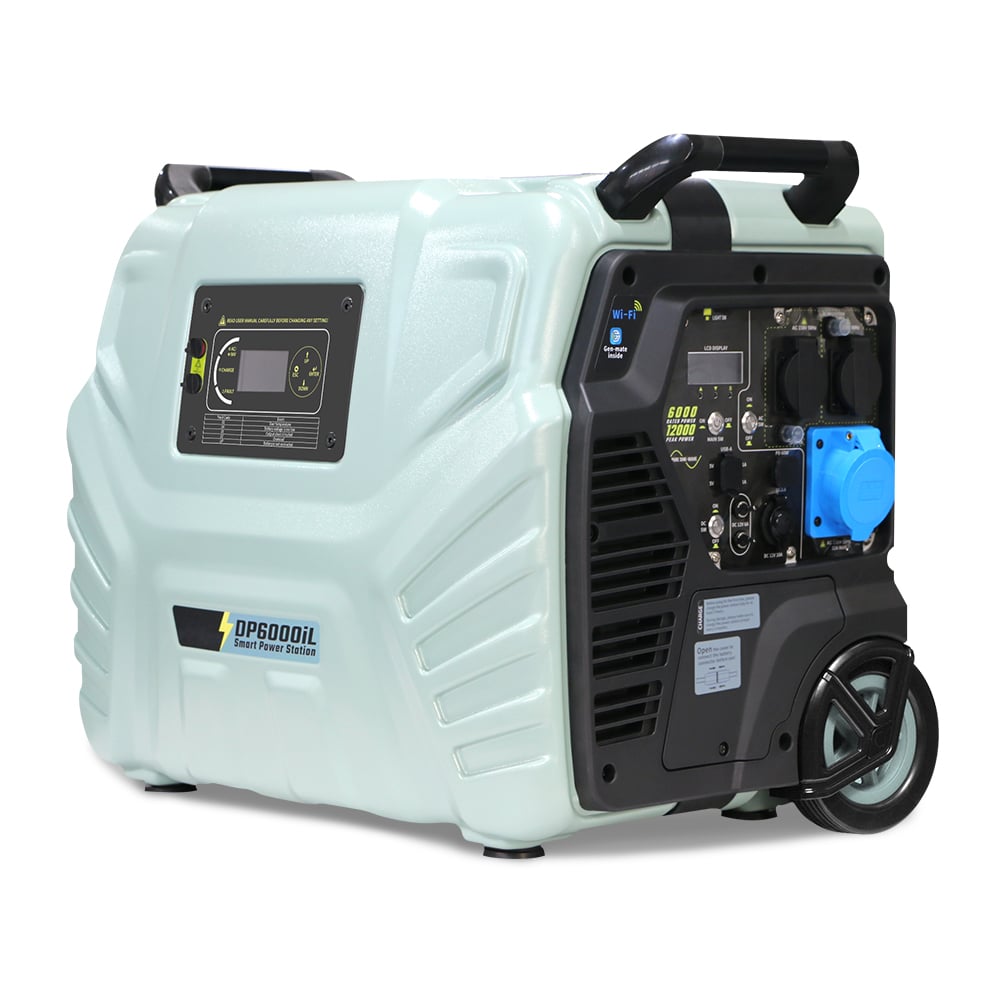
DRIVELONG's 6kW-class portable power stations — including the DP6000iL and EP6000iLS — list EV charger and EV charging pile among their supported charging methods. The company profile document also gives an EV charging time of approximately 70 minutes for these units.
That means the product is designed to accept charging from EV charging infrastructure. However, "designed to accept" is not the same as "works with every Type 2 port in the world." The site's product records do not claim universal Type 2 compatibility, and no responsible supplier should claim it without testing the exact combination.
Here is what actually determines whether a specific Type 2 port will charge your power station:
- The EV or charge station: Some vehicles and charge stations require authentication, handshake protocols, or specific communication sequences before they will deliver power. A portable power station is not an EV, so the station may not recognize it as a valid load.
- The cable or adapter: A Type 2 connector is not a universal power outlet. The cable must be wired and rated for the power station's input, and any adapter must match both the connector and the electrical requirements.
- The power station's input configuration: The unit must be set up to accept AC input from the EV charging source. This is a product-specific configuration, not a generic feature.
Because these variables change from one EV model to another and from one charge station brand to another, the only reliable way to know is to confirm the exact setup with the supplier. DRIVELONG sales can review your specific EV, charge station, and cable arrangement and tell you whether the combination is supported.
Important: Do not assume that because a power station supports "EV charging," every Type 2 port will work. Equally, do not assume that no Type 2 port will work. The correct position is that compatibility is configuration-dependent and must be confirmed per model.
What to confirm before you buy
If you are a distributor, integrator, or project buyer planning to use EV charging as a power station input, gather the following information before placing an order. This list also helps DRIVELONG sales give you a fast, accurate answer.
- Your EV make and model (if charging from a vehicle): Some EVs support vehicle-to-load (V2L) or similar output functions; others do not. The power station must match the available output.
- Your charge station make and model (if charging from a station): Note whether it is a wallbox, public AC station, or other Type 2 charging point, and whether it requires authentication or a specific communication protocol.
- The cable or adapter you intend to use: Confirm the connector type on both ends and the power rating. Do not rely on a generic adapter without verifying it with the supplier.
- The power station model and input requirements: Confirm that the specific model — for example, DP6000iL or EP6000iLS — is configured to accept the charging source you have in mind.
- Your target market and certification needs: DRIVELONG holds EU and US certifications and maintains assets including CE certificates for EP12000iL, EP3600iL, and EP6000iL, plus UN38.3, RoHS, PSE, and MSDS reports. Confirm which documents apply to your exact model and destination.
Once you provide these details, the compatibility question can be answered definitively rather than guessed.
DRIVELONG 6kW-class models with EV charging support
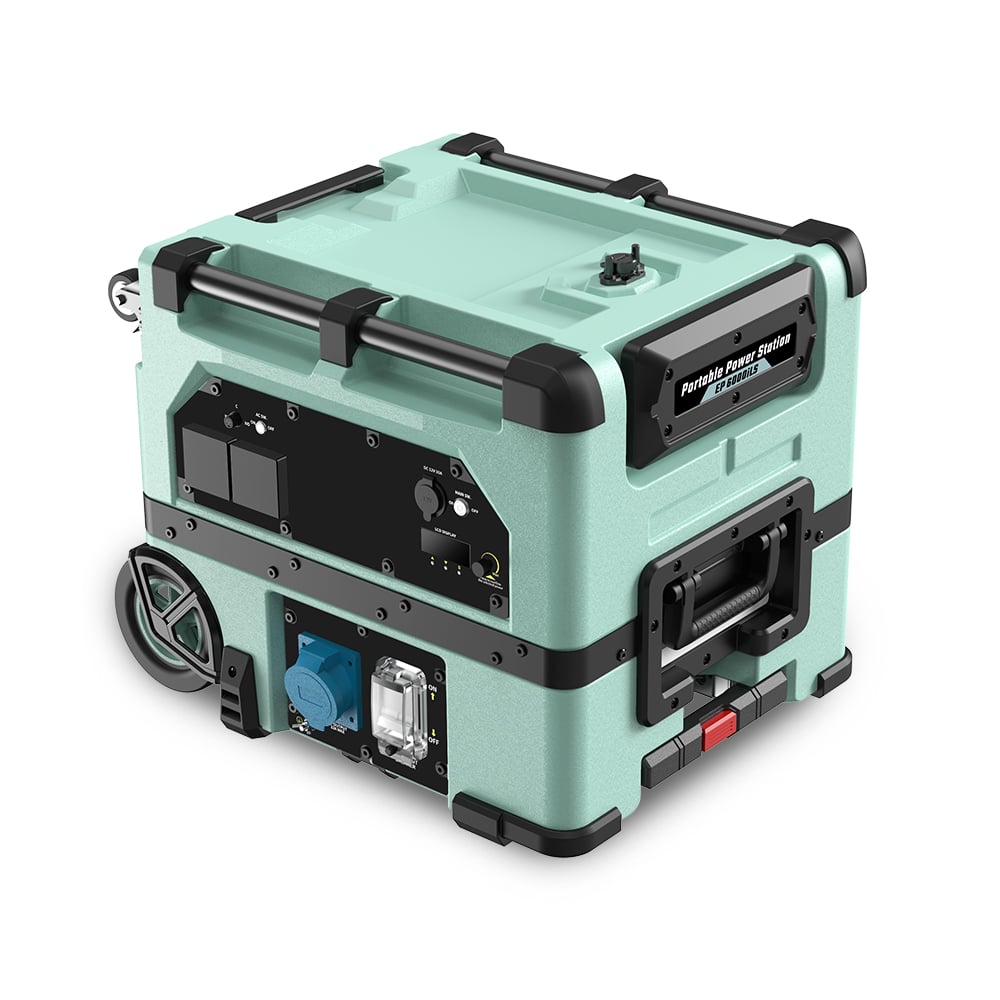
Two current models in the DRIVELONG line are directly relevant to this discussion. Both are 6kW-class units with LiFePO4 batteries and EV charging support.
| Model | Rated power | Peak power | Battery capacity | Battery type | EV charging | Expansion |
|---|---|---|---|---|---|---|
| DP6000iL | 6000VA | 12000VA | 5376Wh | LiFePO4 | Supported | Stackable up to 172kWh |
| EP6000iLS | 6000VA (6kW class) | — | 5376Wh | LiFePO4 | Supported | — |
The DP6000iL is a portable power station with stackable expansion up to 172kWh, which makes it suitable for larger backup or off-grid projects where a single unit is not enough. The EP6000iLS is a high-power mobile power station in the same 6kW class, also built around a 5376Wh LiFePO4 battery.
Both models are part of a broader product line that includes EP, BP, DP, and CP series power stations and DS/DSF series solar panels. DRIVELONG is based in Suzhou, China, and has over 19 years of power generation experience, with more than 120 patents and full EU/US certification. The company provides OEM and ODM energy solutions and serves buyers in Europe, North America, South America, Australia, Singapore, Russia, and the Middle East.
For detailed specifications and current availability, see the product pages:
FAQ
Will charging from an EV work with all Type 2 charge ports?
No single answer applies to all Type 2 ports. DRIVELONG's 6kW-class power stations support charging from an EV charger or EV charging pile, but whether a specific Type 2 port works depends on the EV, the charge station, and the cable or adapter. Confirm the exact combination with DRIVELONG sales before purchasing.
What is the difference between a Type 2 charger and a Mode 2 charger?
Type 2 refers to the connector standard (IEC 62196-2). Mode 2 refers to a charging mode that uses an in-cable control box. A Type 2 connector can be used in different charging modes; the terms describe different aspects of the charging setup.
Are Level 2 chargers the same as Type 2 chargers?
No. Level 2 describes an AC charging power level, typically delivered by a wallbox or public AC station. Type 2 describes the connector. A Level 2 charger may use a Type 2 connector, but the terms are not interchangeable.
How long does EV charging take for the DP6000iL or EP6000iLS?
The company profile document gives an EV charging time of approximately 70 minutes for these 6kW-class units. Actual time can vary with the charging source and conditions.
Can I charge the power station from a public Type 2 charging station?
It depends on the station. Public stations often require authentication or specific communication protocols. Provide the station make and model to DRIVELONG sales to confirm whether it is compatible with your chosen power station model.
Next step: confirm compatibility for your exact setup
If you are sourcing 6kW-class LiFePO4 power stations for a project that involves EV charging, the fastest way to get a definitive answer is to send DRIVELONG your EV make and model, your charge station details, and the cable or adapter you plan to use. The sales team can then confirm whether the combination is supported for the specific model you are considering.
DRIVELONG welcomes OEM and ODM inquiries from distributors and project buyers. To discuss your requirements, contact the sales team through the website or the product pages linked above.
Ready to confirm EV Type 2 compatibility for your project?
Send your EV model, charge station details, and cable information to DRIVELONG sales for a model-specific answer.
View DP6000iL specifications or View EP6000iLS specifications