An inverter generator converts engine power into clean, quiet, fuel-efficient electricity. Learn how it works, how it compares with conventional generators, and what B2B buyers should check before sourcing.
What Is an Inverter Generator and How Does It Work?
An inverter generator is a compact power source that produces alternating current (AC) electricity, converts it to direct current (DC), and then inverts it back to clean AC power at a stable frequency. This extra conversion step is what separates an inverter generator from a conventional generator, and it is the reason buyers in the outdoor equipment, RV, events and emergency power markets increasingly specify inverter technology when they source power products for resale.
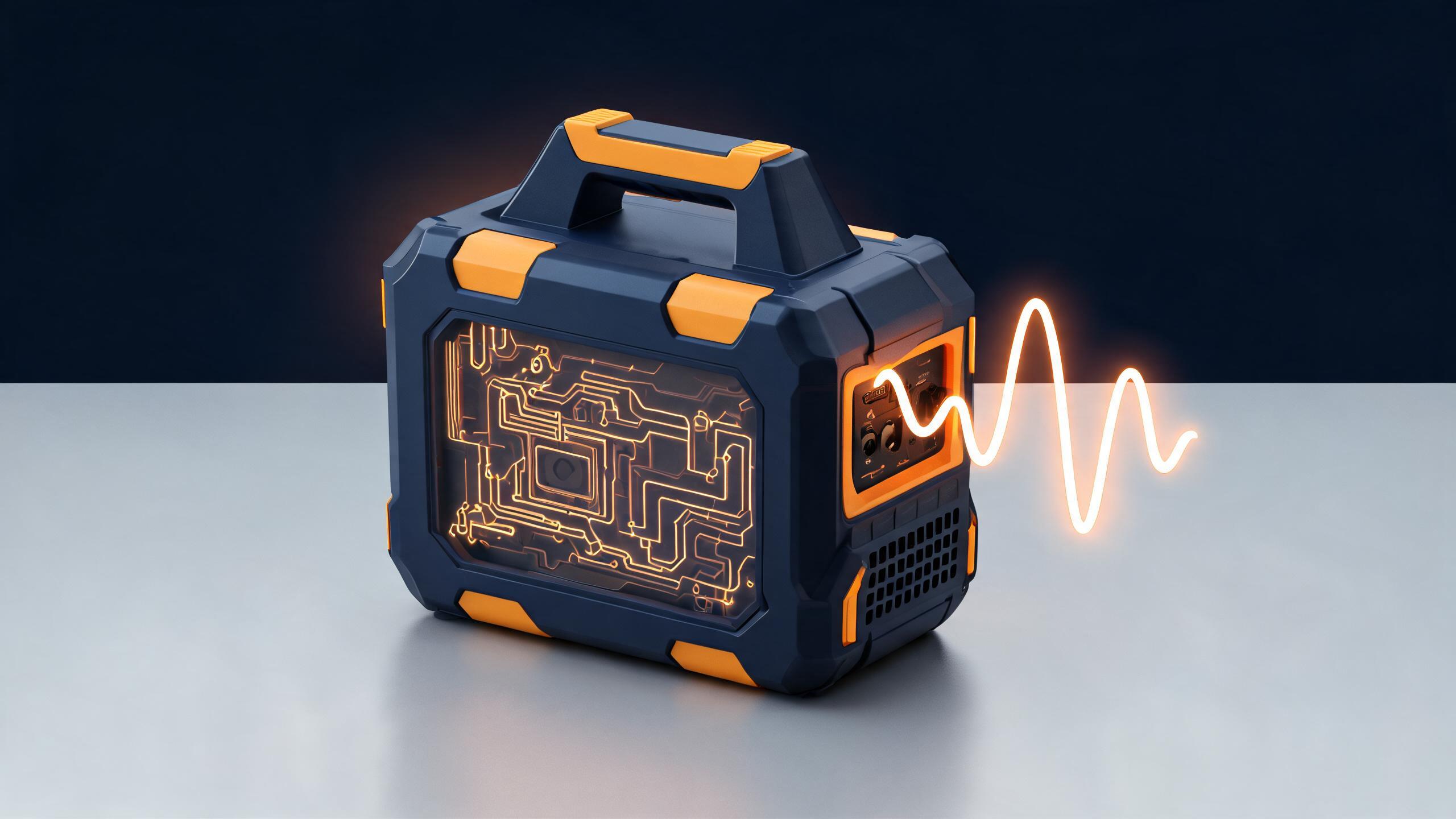
Inside the unit, the engine drives a high-frequency alternator. The raw AC output is rectified into DC, and a microprocessor-controlled inverter module rebuilds a pure sine wave with total harmonic distortion typically below 3%. Because the engine speed is electronically throttled to match the actual load, fuel consumption and noise drop dramatically compared with a fixed-speed conventional machine.
Inverter Generator vs Generator: What Is the Real Difference?
When buyers compare an inverter generator vs generator designs, four practical differences matter most:
- Power quality: inverter output is clean enough for laptops, medical devices, drones and sensitive electronics; conventional open-frame units can show much higher THD.
- Noise: a well-engineered inverter generator typically runs at 50–60 dB at rated load, closer to a normal conversation, while conventional units often exceed 70 dB.
- Fuel efficiency: variable engine speed means the unit burns only the fuel the load demands, extending runtime per tank.
- Weight and form factor: enclosed, suitcase-style housings make inverter models easier to transport, stack and merchandise on a retail shelf.
Conventional generators still win on raw watts per dollar for construction sites and job-site tools. But for brands selling to campers, RV owners, mobile food vendors and home-backup users, the inverter generator is usually the better commercial bet.
What Is an Inverter Generator Used For?
Buyers frequently ask what is inverter generator used for in real business scenarios. The most common applications are:
- Outdoor recreation: powering campsite lighting, portable refrigerators, coffee makers and projectors without disturbing neighboring sites.
- RV and caravan travel: recharging house batteries and running air conditioning during roadside stops.
- Home backup: keeping routers, refrigerators, sump pumps and essential lights alive during grid outages.
- Events and mobile business: food trucks, market stalls, outdoor weddings and film production where quiet power is a service feature.
- Work and field service: charging tool batteries and running test instruments where clean power protects sensitive equipment.
How Long Does an Inverter Generator Last?
A recurring procurement question is how long does an inverter generator last. With quality engine components and routine maintenance — oil changes every 50–100 running hours, air filter checks, and proper off-season fuel management — a well-built inverter generator commonly delivers several thousand running hours. Commercial rental fleets often plan for major service intervals rather than replacement, which is why total cost of ownership, not just unit price, should drive sourcing decisions. Buyers should also evaluate warranty terms, spare-parts availability and the supplier's in-house testing capability before committing to an order.
Is an Inverter Generator Worth It?
So, is inverter generator worth it for your product line? Consider three questions. First, will your customers connect electronics or appliances that need clean power? If yes, inverter technology is close to mandatory. Second, does noise regulation or customer experience matter — campsites, residential neighborhoods and event venues increasingly enforce quiet hours? Third, will fuel savings over the product's life offset the higher purchase price? For most outdoor and backup power applications, the answer to all three is yes, which explains why inverter models now dominate premium segments in Europe, North America and Australia.
Inverter Generator Technology: What to Check Before You Source
Modern inverter generator technology has matured quickly, and B2B buyers should evaluate suppliers on specific engineering points rather than marketing claims:
- Pure sine wave quality: ask for THD specifications; below 3% is the benchmark for sensitive electronics.
- Parallel capability: the option to link two units for doubled output gives end users scalability without carrying one heavy machine.
- Smart features: electric start, app-based monitoring, eco-mode and low-idle control improve the ownership experience and support premium pricing.
- Emissions and certification: confirm EU and US market compliance documentation before shipment.
- Battery-hybrid options: some buyers now pair small inverter generators with portable power stations to cut fuel use further.
Sourcing Checklist for Importers and Distributors
Before issuing an RFQ, prepare a short technical brief: target output range (for example 2 kW to 5 kW), runtime expectations at 25% and 50% load, noise limits, starting method, outlet configuration per destination market, and packaging requirements for e-commerce or retail. Ask the supplier for factory test reports, sample units for field testing, and OEM/ODM options such as custom colors, housing design and control panels.
Working directly with an experienced manufacturer shortens this loop. A factory with in-house engine development, its own testing laboratory and a track record of design awards can adapt voltage, sockets, enclosures and branding to your market far faster than a trading company relaying requirements to a third plant.
Conclusion
An inverter generator converts raw engine power into clean, quiet, fuel-efficient electricity through a controlled inversion process. For B2B buyers building outdoor, RV, event or home-backup product lines, it offers the power quality and user experience that modern customers expect. Evaluate THD, noise, runtime, certification and the manufacturer's OEM/ODM capability, and request samples before scaling your order — the right supplier partnership will matter as much as the specification sheet.