Answers whether a 2400W UPS power station can take an extra battery pack: BP2400 is fixed-capacity with ≤10ms UPS; DP/EP series support up to 31 expansion batteries.
When a buyer asks, "Your product has a 2400W AC output with a UPS function — can I add an extra battery pack to it?", the honest answer starts with the product's actual design, not a generic yes. This article answers that question with DRIVELONG's current product line, so distributors and emergency-power buyers in Israel can pick the right configuration the first time.
The Customer Question
The question usually comes from buyers planning home or office backup power: they need continuous, automatic switchover when the grid fails, and they expect electricity demand to grow — so they want to know whether the unit they buy today can be expanded tomorrow with an additional battery pack, instead of replacing the whole system.
The Short Answer
It depends on which series you choose:
- BP series (for example the BP2400): a compact 2400W unit with a built-in UPS function, designed as a self-contained power station. Its official accessory list includes solar panels, not expansion batteries — the UPS performance is excellent, but capacity stays fixed at what is built in.
- DP and EP series (for example DP2400iL, DP3600iL, DP6000iL, EP5000iL): modular platforms that support stacking up to 31 extra battery packs, expanding total capacity from around 2.5kWh up to 109kWh or more. If "add a battery later" is a hard requirement, this is the series to specify.
BP2400: 2400W Output with a True ≤10ms UPS
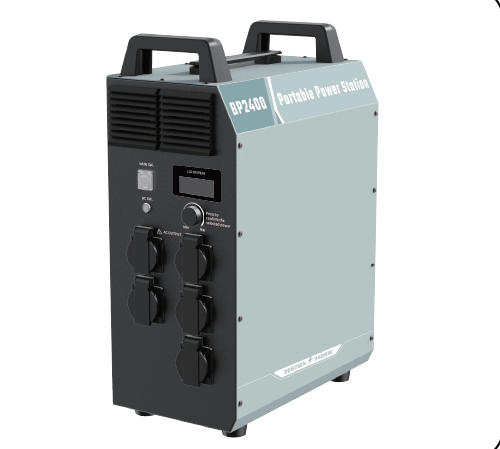
The BP2400 is the closest match to the requirement described above. Its specifications, taken from the official product datasheet:
- Built-in 2662Wh LiFePO4 battery (52Ah at 51.2V), rated for 5000 cycles to 80%+ capacity
- 2400W rated / 4800W peak pure sine wave AC output (THD < 3%)
- Standard UPS function: transfer time between utility and battery less than 10ms
- Unit protection IP53, battery pack IP66; metal enclosure with integrated auto-extinguishing device
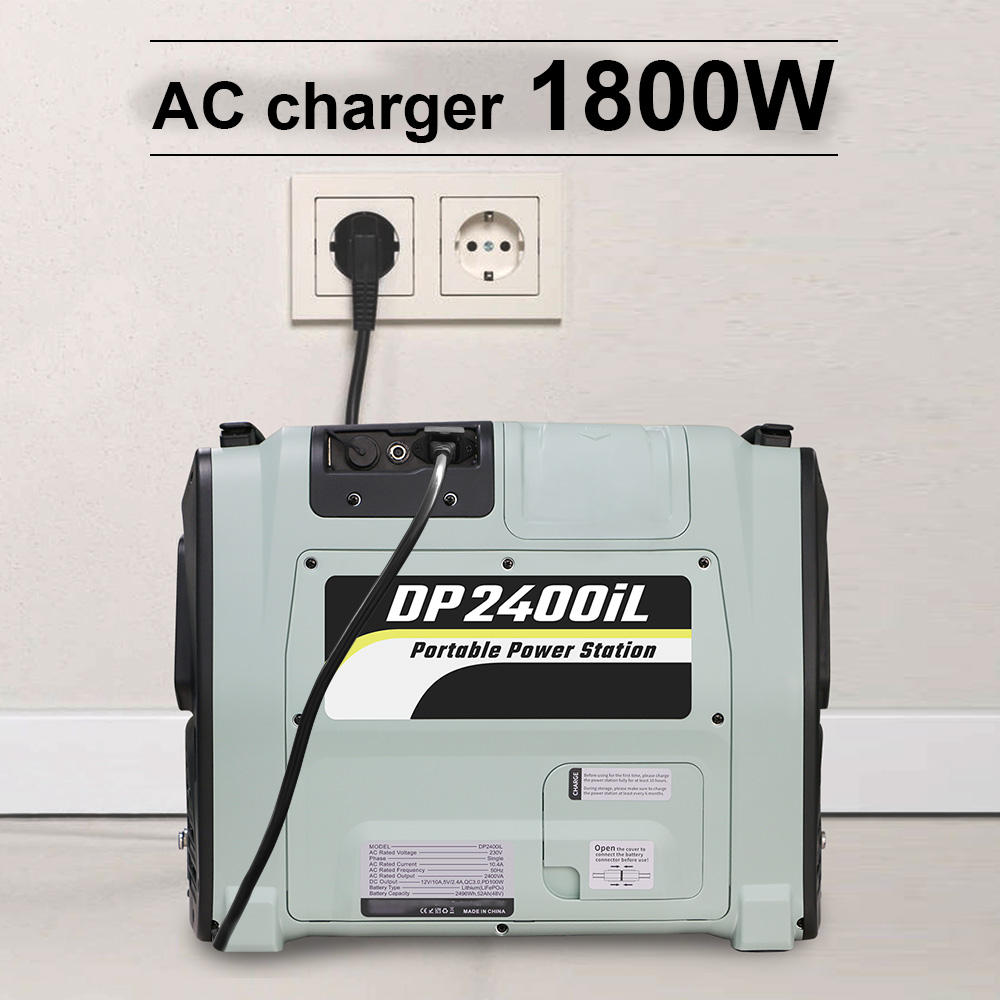
- Built-in 1200W MPPT controller; AC charging up to 1800W (fully charged in 1.5 hours); rated AC voltage 100/110/120V and 220/230/240V, 50/60Hz
- RoHS, CE and UN38.3; 5-year warranty; Wi-Fi/Bluetooth app monitoring
A transfer time under 10ms means computers, routers, monitoring equipment and refrigerators keep running without a perceptible interruption when the grid drops. What the BP2400 does not offer in its current catalog is an external battery pack option: its add-on list covers DSF/DS series solar panels, and there is no expansion battery listed for this model.
Where Extra Battery Packs Are Supported: the DP and EP Series
For buyers whose capacity will grow, the modular series is the better architectural choice. Based on the official product data:
- DP2400iL — 2496Wh LiFePO4, 2400VA rated / 4800VA peak, supports parallel operation of two units for double output, and connects up to 31 extra batteries for a total capacity of 109kWh.
- DP3600iL — 2662Wh, 3600VA rated / 7200VA peak, built-in 1200W MPPT, up to 31 extra batteries (109kWh total).
- DP6000iL — 5376Wh, 6000VA rated / 12000VA peak, supports EV emergency charging, up to 31 extra batteries (172kWh total).
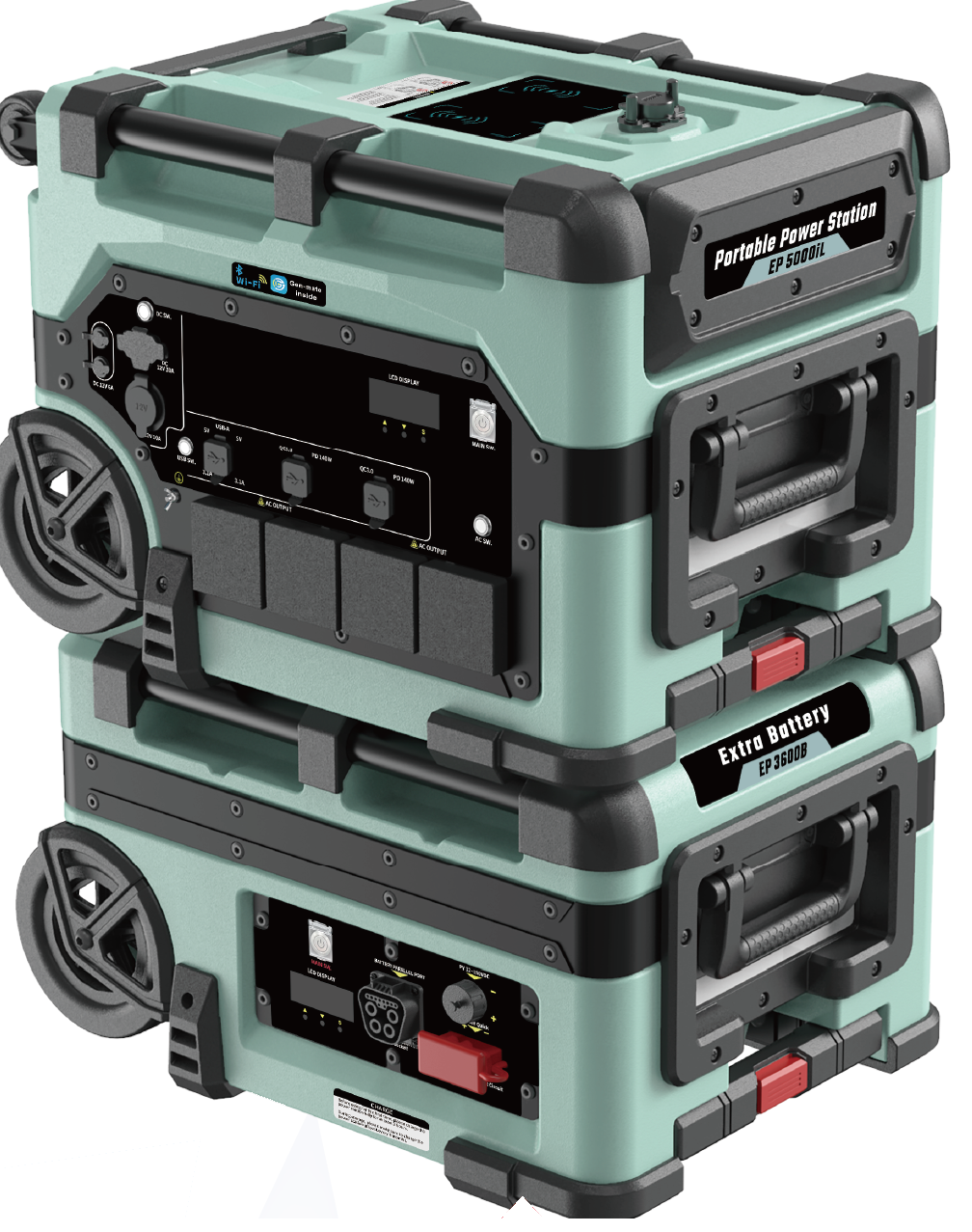
- EP5000iL — 3430Wh with 5000W continuous output, UPS function, stackable with extra battery packs up to 109kWh, and two units can be paralleled for 10kW output.
In these series the main unit and the power expansion packs use a stackable design: you start with the capacity you need today and stack additional packs later, without replacing the inverter or the whole system.
Fit for the Israeli Market
Israel's grid runs at 230V / 50Hz single phase, which matches the rated voltage and frequency options of both the BP and DP/EP series — no special adaptation is required for standard appliances. Israeli buyers evaluating backup power typically focus on:
- Uninterrupted supply for critical loads. A UPS function with ≤10ms transfer keeps networking, security and refrigeration equipment running through outages.
- Multi-hour to multi-day autonomy. Outage duration drives capacity planning; a fixed 2662Wh unit suits shorter interruptions, while a stackable system growing to 109kWh or more covers extended outages and higher loads.
- Quiet, fume-free indoor operation. Battery-based storage runs silently and emits no exhaust, so it can operate in a residential or office environment — unlike combustion-based alternatives.
- Solar recharging during prolonged outages. Built-in MPPT controllers (1200W on the BP2400 and DP3600iL) let you keep recharging from panels when the grid is down for days.
- Safety and transport. LiFePO4 chemistry, IP53/IP66 protection grades and integrated fire-suppression design address the safety questions that home-backup buyers raise first.
How to Choose, and the Next Step
- If your loads are fixed and modest (router, computer, lights, refrigerator) and you mainly need a fast, seamless UPS switchover, the BP2400 at 2662Wh is a complete, self-contained answer.
- If you expect to add capacity over time — more appliances, longer outages, or a growing site — specify a DP or EP series main unit now, and stack extra battery packs as demand grows, up to 31 packs and 109kWh+ total.
DRIVELONG (Suzhou DriveLong Intelligence Technology) is a portable energy solution provider serving outdoor-equipment brands, solar distributors, RV power suppliers, emergency-power buyers and home-backup energy companies worldwide, with OEM/ODM support for voltage, frequency and branding requirements.
Tell us your critical load list (W), expected backup duration (hours) and whether capacity will grow later — our engineers will confirm the right model and battery-pack configuration for your project. Submit an RFQ to get a configuration proposal and quotation.